
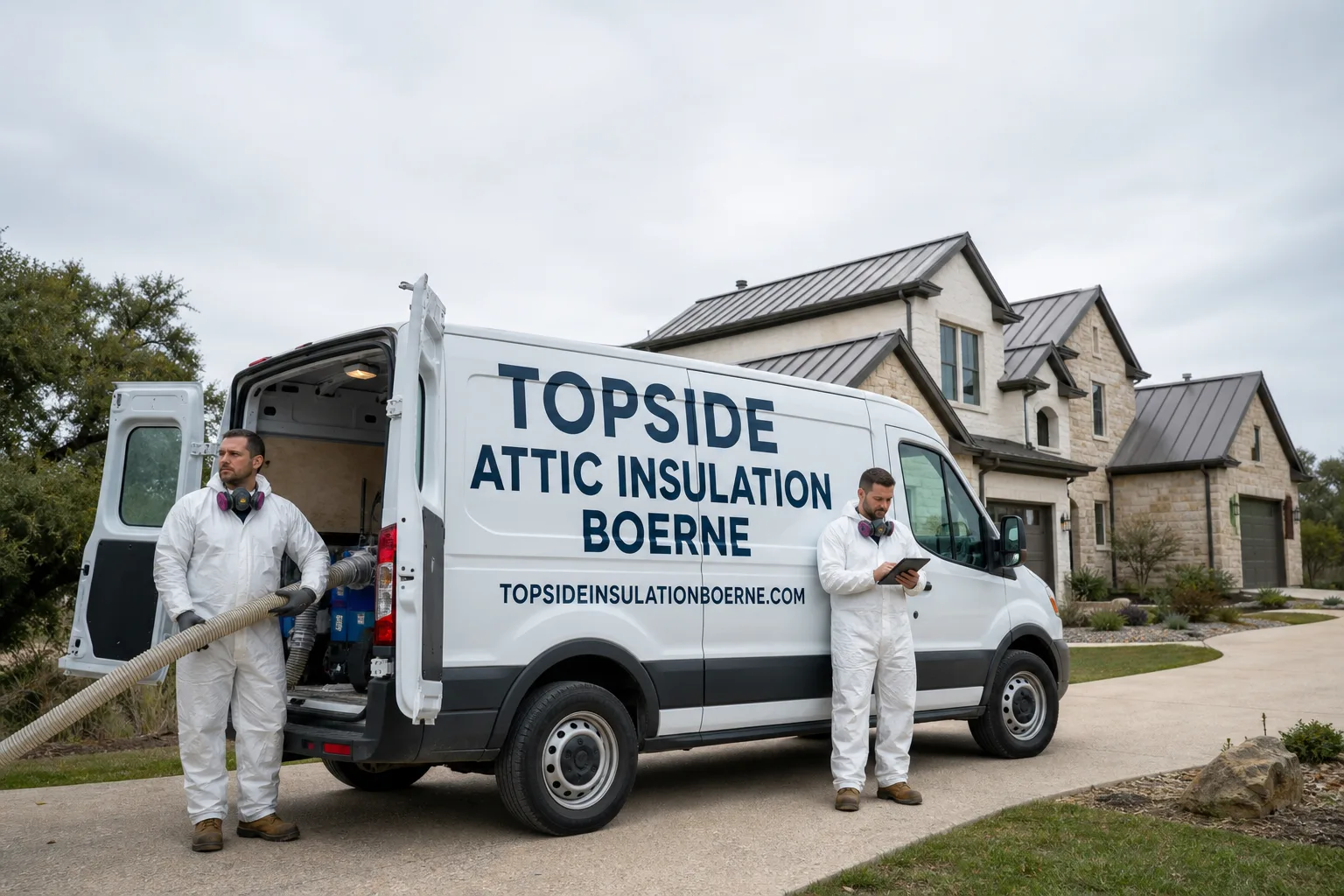
Fast, Reliable Attic Insulation Across San Antonio
Most attic insulation jobs in San Antonio run between $1,800 and $4,200 depending on square footage, existing conditions, and whether air sealing is needed. Our crews dispatch from the San Antonio office and typically arrive within 45 minutes to neighborhoods from Alamo Heights to the far northwest side. Call (830) 529-7780 for a written price before any work starts - no exceptions, no surprises.
We’ve sealed and insulated more than 9,000 homes since 2016, and the San Antonio jobs stick in our memory because the conditions here are genuinely different from the rest of Texas. The attic deck hits 150-160°F on a routine July afternoon. The original insulation in a 1960s ranch off Rittiman Road or a 1970s build near Lackland AFB was never designed for that load. And CPS Energy - San Antonio’s city-owned utility - maintains a rebate program with documentation requirements that can make or break the project’s payback. We handle the paperwork as part of the install.
Why Topside Attic Insulation Boerne Is San Antonio’s Preferred Attic Insulation Company
Our reputation in San Antonio is built on documented results, not promises. Every job that qualifies for blower-door testing receives before-and-after pressurization readings - a single number showing exactly how much conditioned air the home was losing before we started and how much less it loses after we seal and insulate. Homeowners in Terrell Hills, Monte Vista, and the northwest side have those readings in their files, along with the photo record we deliver on every visit.
We answer calls with a live person 24/7. Not a voicemail loop, not a callback window measured in business days. When you call (830) 529-7780, you speak to someone who can schedule a technician and send a text when they’re en route - Haven Standard: Arrive on schedule, named technician, text on the way.
Our crews know the local housing stock. The 1950s-1980s slab-on-grade brick-veneer ranches that dominate neighborhoods from Castle Hills to the old Randolph AFB flight line share a common problem: original R-11 batts compressed to R-6 or less, zero air sealing at top plates, and attic temperatures that cook the remaining loft out of the fiberglass. We don’t blow new insulation over that mess. We seal first, then insulate. In that order.
Our Attic Insulation Services in San Antonio
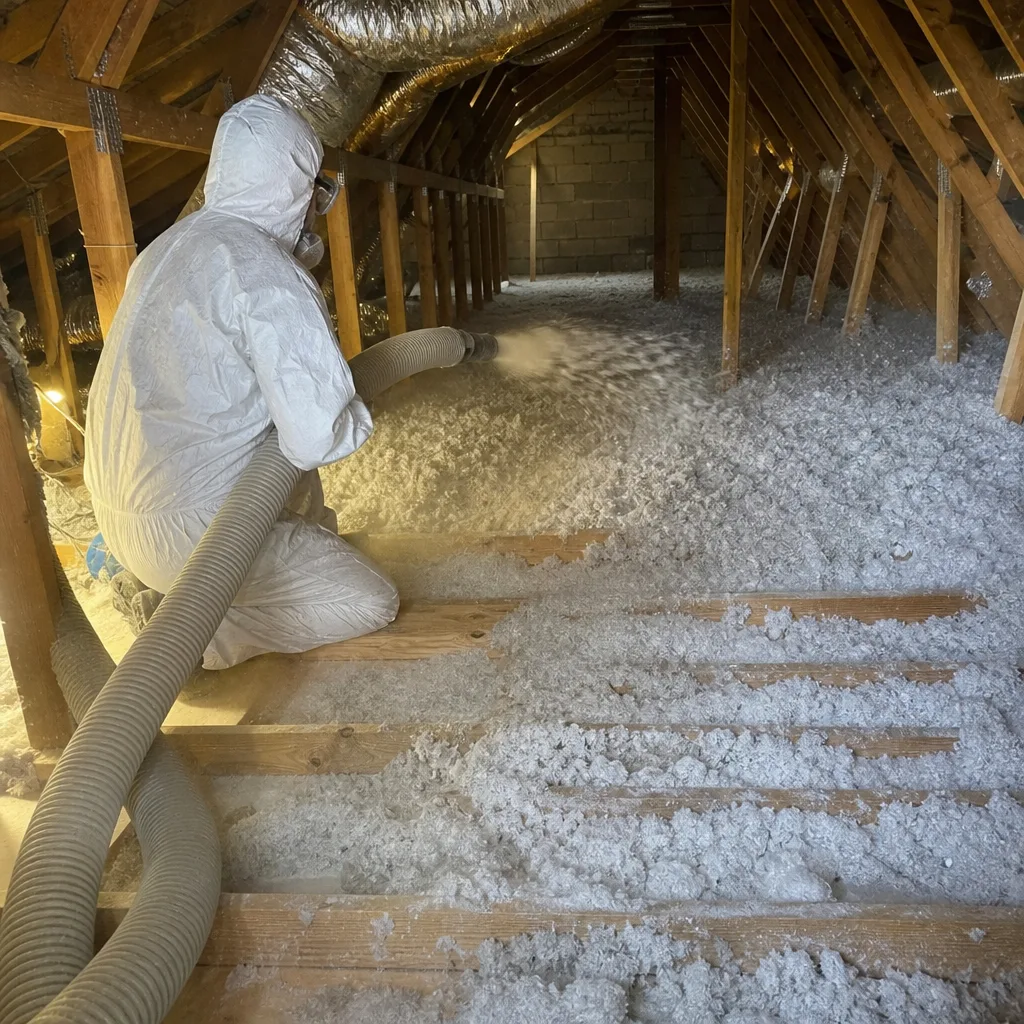
Blown-In Attic Insulation
Blown-in fiberglass or cellulose is the right choice for most San Antonio attics once the air sealing is complete. We spec Owens Corning or GreenFiber blown-in product at R-38 minimum - the threshold CPS Energy uses for its rebate calculation - and we install it over properly fitted baffles to maintain soffit ventilation. The 1950s-1970s ranch homes that dominate San Antonio’s built environment rarely have adequate ventilation prep; we install baffles as standard, not as an upsell. A typical full attic blown-in job in San Antonio runs $2,400-$3,800 for homes between 1,800 and 2,800 square feet.
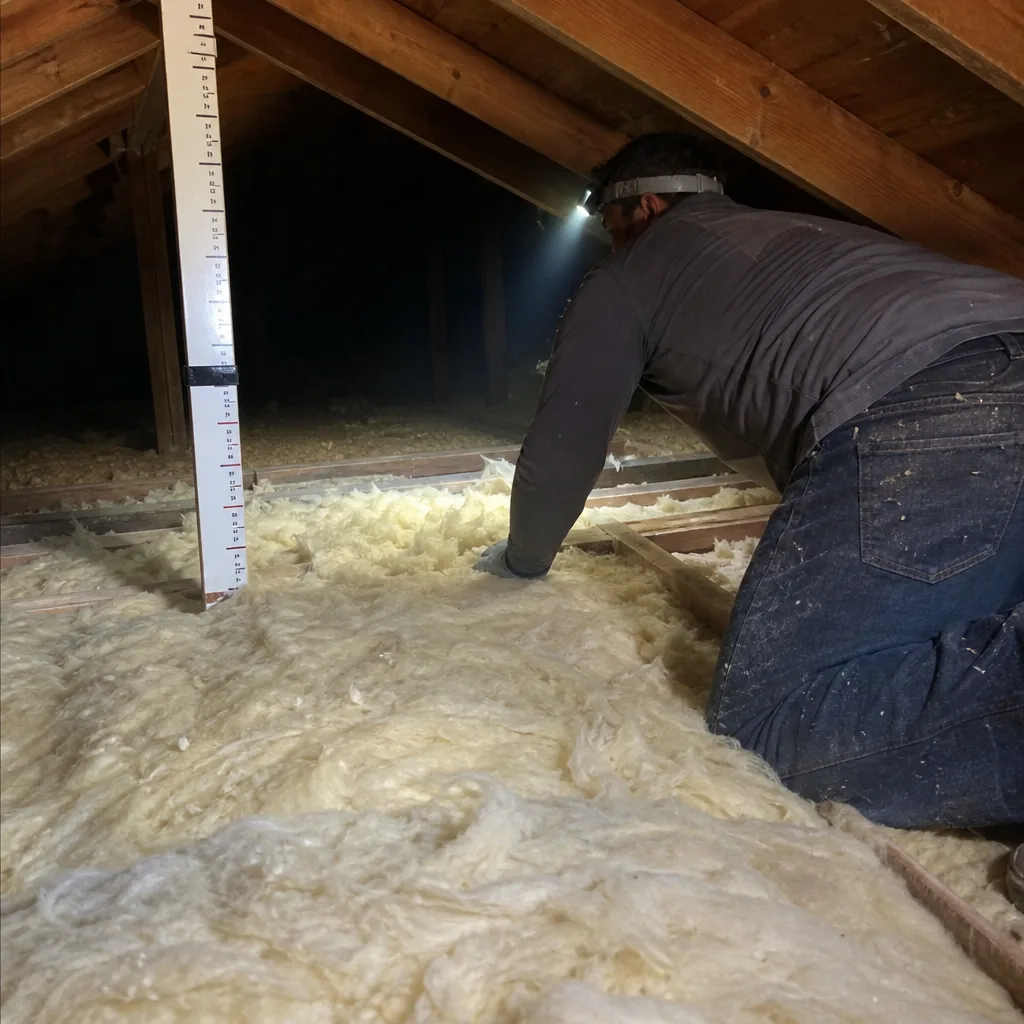
Attic Batt Insulation
Batt insulation still has a place in San Antonio, particularly in the older balloon-frame and Craftsman homes in Beacon Hill and Monte Vista where irregular joist spacing or limited attic access makes blown-in application impractical. We use Johns Manville batts cut to fit - compressed batts lose R-value, and “friction fit” that leaves gaps is worse than no insulation at those gaps. In San Antonio’s heat, a poorly fitted batt is a thermal bridge straight to your ceiling. We don’t install batts over unsealed top plates or recessed can housings; the air sealing comes first.
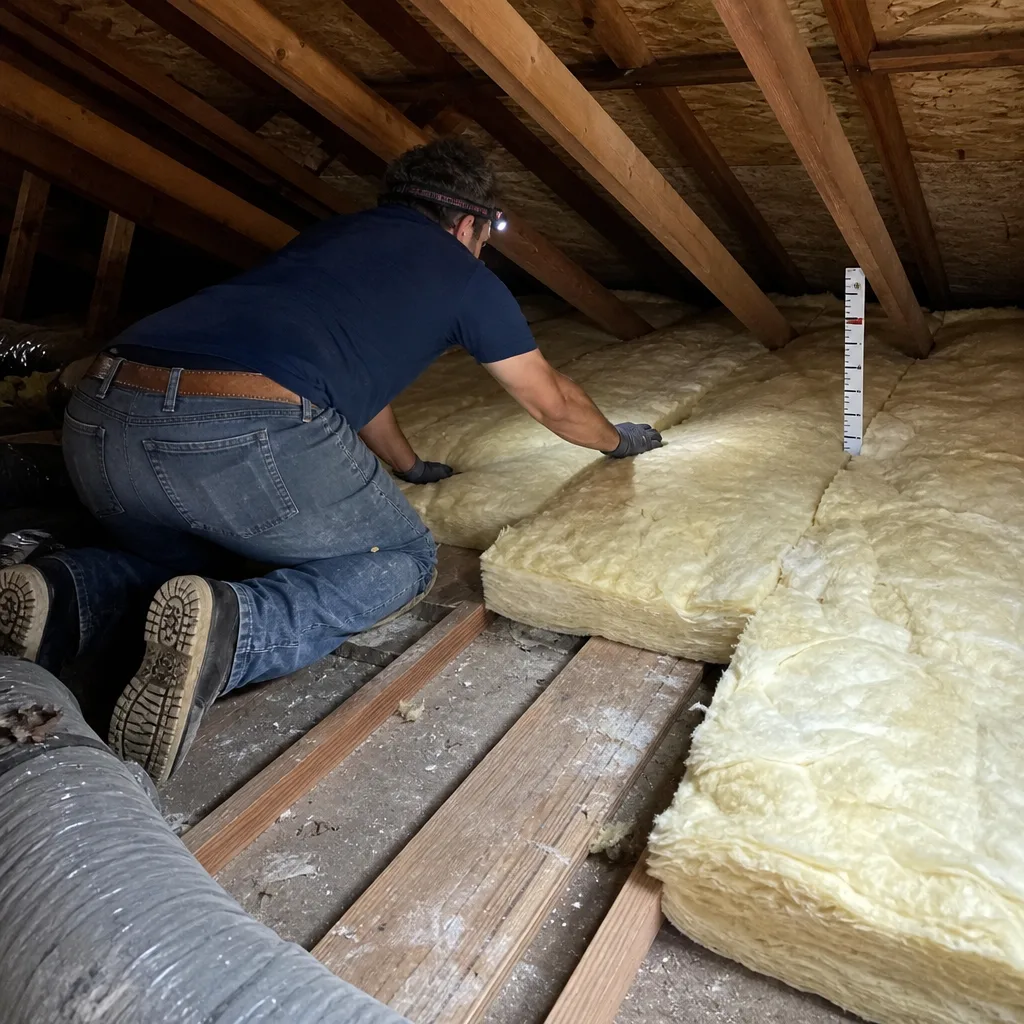
Attic Insulation Top-Up
Top-up jobs are common in San Antonio, and they’re where we see the most misleading work from other contractors. A top-up - adding new insulation over existing - only makes sense if the existing layer is dry, uncompressed, and the attic floor has been air-sealed. We find original R-11 batts in 1960s ranches near Fort Sam Houston crushed to half their thickness, heat-stained, and sometimes harboring rodent damage. Adding blown-in over that is burying the problem. Our top-up jobs start with inspection and documentation; if the existing insulation is compromised, we quote removal and replacement, not a cheap cover-up. Top-up jobs in San Antonio typically run $1,800-$2,800 when conditions allow.
Attic Insulation Replacement
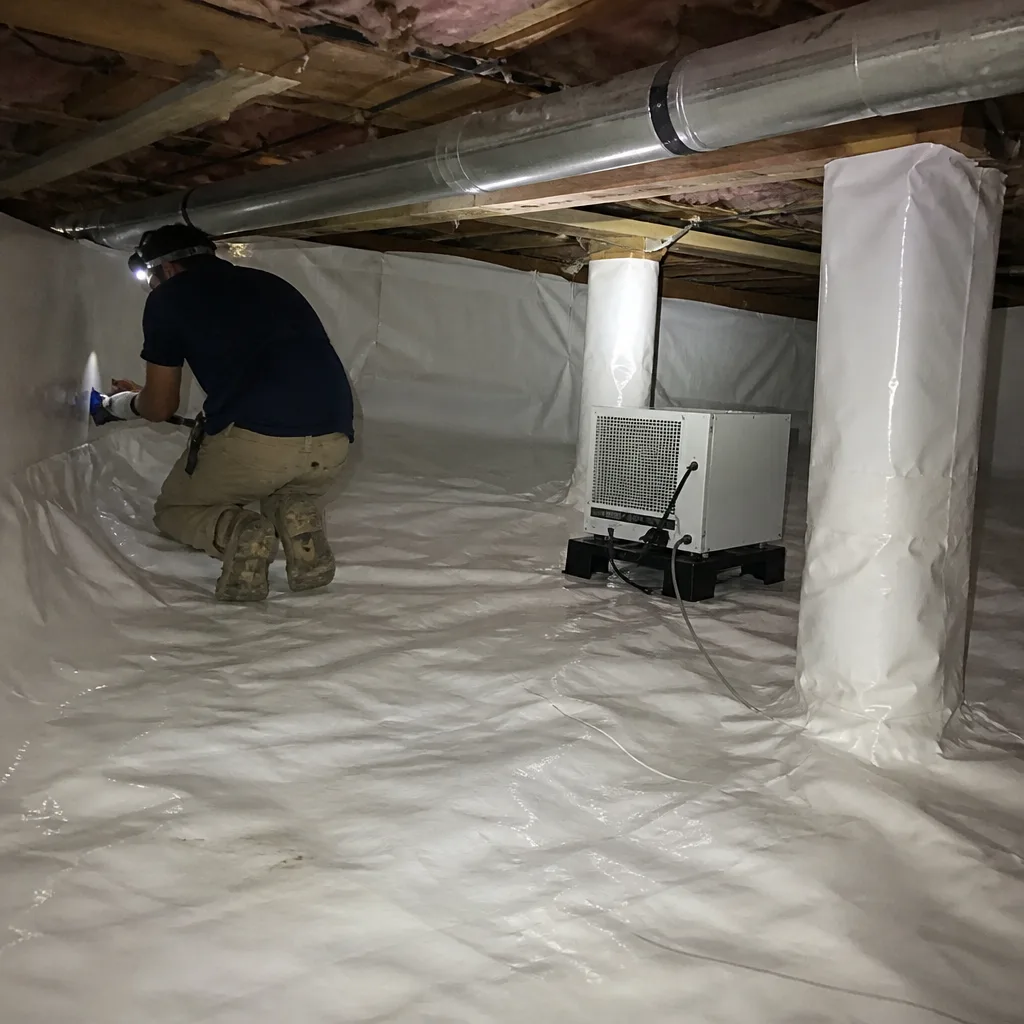
Full replacement is the right call for most San Antonio homes built before 1980. The original insulation - usually compressed fiberglass batts at R-11 or less - has lost loft, may contain rodent debris, and was installed with no attention to air sealing. Our replacement protocol: remove and dispose of existing material, air-seal top plates, can lights, and all penetrations with closed-cell foam, install baffles at every soffit vent, then blow R-38 or better. We document the R-value upgrade for CPS Energy rebate submission. Replacement jobs in San Antonio generally fall between $3,200 and $4,800.
Attic Baffles & Ventilation Prep
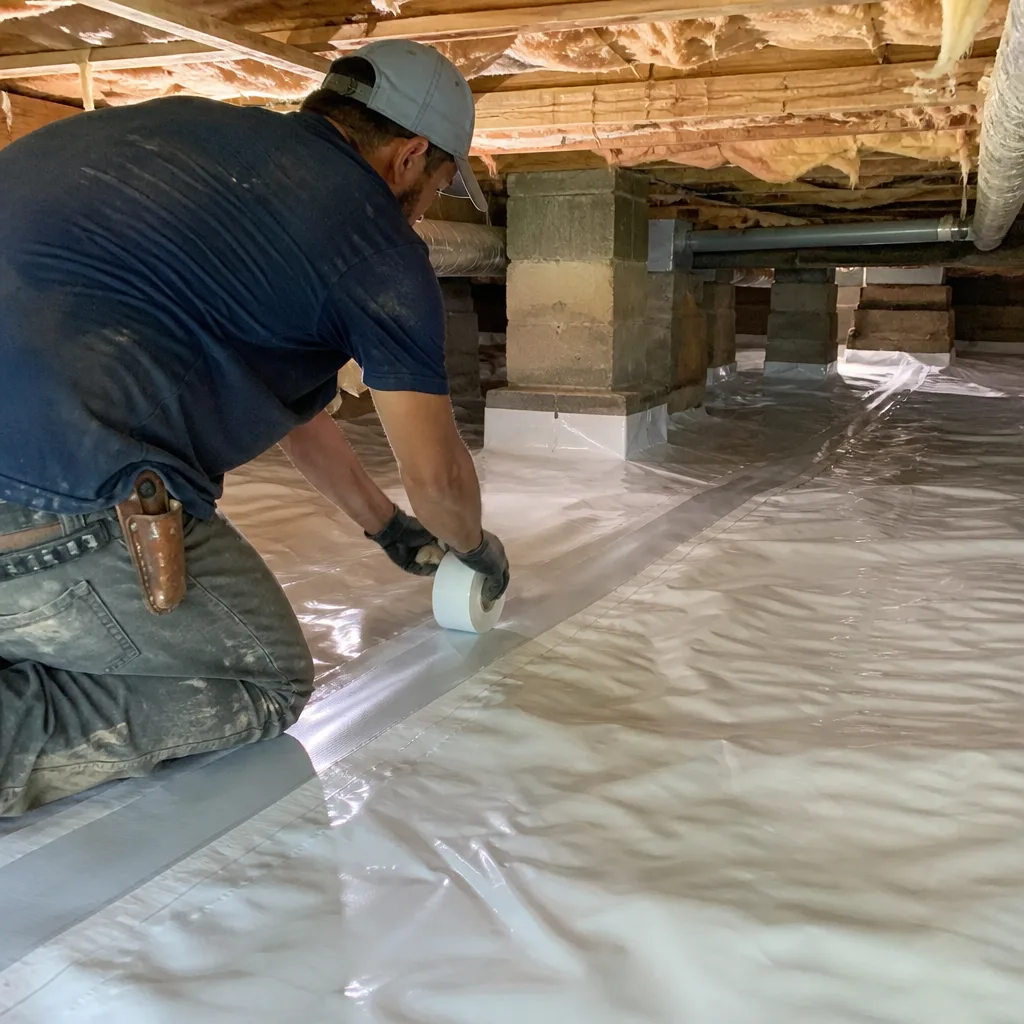
San Antonio’s Climate Zone 2 designation means attic ventilation is about heat evacuation, not moisture control. The semi-arid conditions don’t produce the humidity-driven rot you see in Houston, but a 160°F attic deck with blocked soffit vents will cook shingles from underneath and radiate heat through any insulation you install. We install Owens Corning raft-R-mate or equivalent baffles at every soffit vent to maintain a clear air channel from eave to ridge. This is standard on every blown-in job we do - never an add-on.
What happens when you call
- 1
A real person answersNo phone trees - you reach a local pro.
- 2
You get an upfront price rangeHonest numbers before anyone is dispatched.
- 3
A background-checked tech heads outLicensed & insured, dispatched right away.
- 4
You approve before work beginsNothing starts until you say go.
Trusted Brands We Service in San Antonio
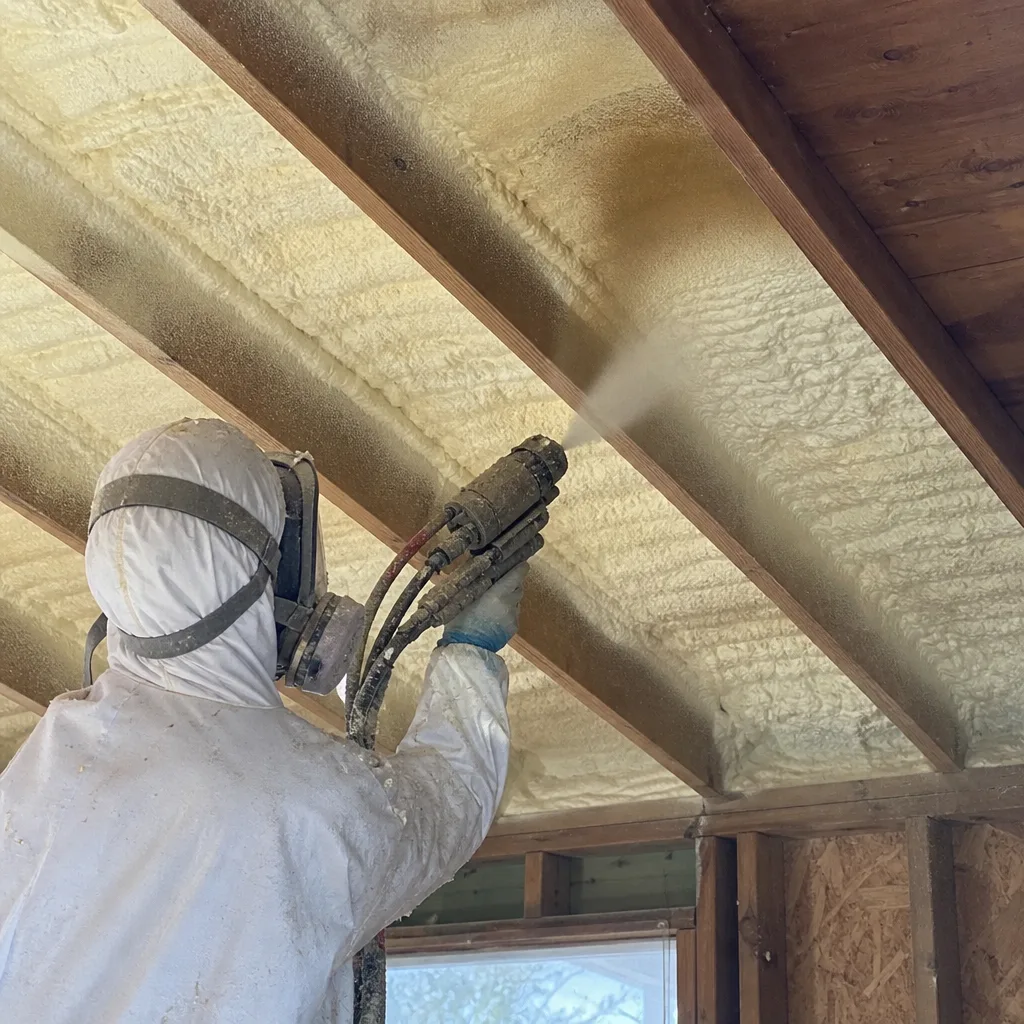
We source materials from Owens Corning, Johns Manville, Knauf, Rockwool, CertainTeed, Icynene, Demilec, and GreenFiber - no proprietary lock-in, no single-source products pushed for margin. For San Antonio’s radiant-dominated heat load, we often spec Owens Corning blown-in fiberglass with a radiant barrier overlay, or Demilec closed-cell spray foam at the top plates where air sealing is critical. We stock common batt sizes and blower materials locally, so we’re not waiting on a Dallas warehouse for a standard San Antonio ranch job. The brand choice depends on your attic’s condition, your CPS Energy rebate target, and what the blower-door test reveals - not on what we happen to have in the truck.
Common Attic Insulation Problems We See in San Antonio Homes
- Compressed original R-11 batts in 1950s-1970s ranch homes. The slab-on-grade brick-veneer stock near Lackland AFB, Randolph AFB, and Fort Sam Houston was built to minimal standards. Sixty years of 150°F+ attic heat has cooked the loft out of the fiberglass. What’s left delivers R-6 or less, and the black heat-staining on the roof deck underside tells the story before we pull a single batt.
- Radiant heat gain dominating over conductive loss. San Antonio’s semi-arid Climate Zone 2 means the sun radiates through the roof deck straight into the attic space. Open-blown fiberglass without a radiant barrier or air-impermeable layer at the envelope lets that radiation reach your ceiling. Dallas and Houston contractors sometimes spec for humidity; we spec for radiant load.
- Zero air sealing at top plates and recessed cans. The original builders didn’t seal. The first blue norther - those sharp winter fronts that drop temperatures 40°F in hours - pulls conditioned air through every gap the summer never revealed. We find it with the blower door, then we seal it with foam before any insulation goes in.
- Failed or absent rebate documentation. CPS Energy’s attic insulation rebate requires specific R-value verification and air-sealing records. Out-of-town contractors often lose jobs because they don’t know the paperwork. We bundle the documentation into every qualifying install - the rebate is part of the project, not an afterthought.
Pricing for Attic Insulation in San Antonio, TX
Here’s what attic insulation costs in San Antonio’s current market, based on the jobs we’ve written prices for in the last eighteen months:
| Service | Typical Range |
|---|---|
| Attic insulation top-up (conditions permitting) | $1,800 - $2,800 |
| Blown-in attic insulation, full install with air sealing | $2,400 - $3,800 |
| Attic insulation replacement (remove, seal, re-insulate) | $3,200 - $4,800 |
| Attic baffles and ventilation prep only | $600 - $1,200 |
| Closed-cell spray foam at top plates (air sealing) | $1,200 - $2,400 |
What moves the number: attic square footage, accessibility, whether existing insulation can stay or must be removed, and whether the roof deck needs repair before we insulate. We don’t give ballpark guesses. We inspect, measure, and deliver a written price - flat, with scope and warranty - before any work starts. Haven Standard Clause 1. Bring us a competing written estimate and we’ll give you a free second opinion, line by line. Call (830) 529-7780 to schedule.
We Also Serve Cities Near San Antonio
Our crews work throughout the San Antonio metro, including San Antonio proper and the surrounding communities of Converse, Universal City, Schertz, and Helotes. Dispatch and scheduling run from our San Antonio office; response times to these outlying areas typically run 45-60 minutes depending on traffic on I-10, Loop 1604, or US-281.
Serving San Antonio, TX - Our Local Coverage Area
We’re based in the San Antonio area and know this community well. Use the map below to see our service coverage - if you’re nearby, we can almost certainly help.
FAQs - Attic Insulation in San Antonio
Your attic qualifies if the upgrade meets CPS Energy’s minimum R-value threshold - typically R-38 for blown-in over a sealed attic floor - and if you have documented air-sealing records from the install. We handle the documentation as part of every qualifying job: the written scope, the before-and-after photos, and the R-value verification. Call (830) 529-7780 and we’ll check your current attic conditions against CPS requirements during the free estimate - no charge to find out.
Almost never. On a 1962 slab-on-grade brick ranch off Rittiman Road near the old Randolph AFB flight line, we found the original R-11 batts crushed to about R-6 and black heat-staining on the underside of the roof deck, with a 40°F attic-to-bedroom delta on a July afternoon. We pulled the degraded batts, air-sealed the top plates with foam, laid R-38 blown-in Owens Corning over new baffles, and documented the R-value jump for the homeowner’s CPS Energy rebate - their August bill dropped enough that they called back to have us do the detached workshop next. The original batts in that era’s San Antonio housing stock are typically cooked, compressed, and performing at half their rated value or less.
Air sealing isn’t about rain - it’s about conditioned air escaping through gaps at top plates, recessed cans, and wire penetrations. San Antonio’s blue northers, those sharp winter cold fronts, create a strong stack effect that pulls your heated air straight out through every unsealed gap. The summer heat load works in reverse, pushing conditioned air out as the attic superheats. The blower-door test - a pressurization reading that shows, in one number, how much air your building envelope is losing - quantifies exactly what you’re paying to re-condition. CPS Energy won’t approve rebate documentation without sealing records, because unsealed attics waste the insulation upgrade.
Yes. San Antonio’s semi-arid Climate Zone 2 accumulates more annual cooling degree days than Dallas or Houston, and the low humidity means radiant heat gain - the sun’s energy radiating through the roof deck - dominates over the conductive and moisture-driven loads you see in Gulf Coast cities. Open-blown fiberglass without a radiant barrier or air-impermeable layer lets that radiation pass straight through to your ceiling. We spec differently here than a Houston contractor would: radiant barrier or closed-cell spray foam at critical surfaces, not just thicker fluffy insulation.
R-38 minimum for blown-in fiberglass or cellulose, which is also the CPS Energy rebate threshold. In practice, many San Antonio homes benefit from R-49 when the attic geometry allows, particularly on west-facing roof sections where afternoon solar load peaks. The R-value is only half the equation - the air sealing and radiant barrier assembly matter as much as the thickness. A poorly sealed R-49 performs worse than a sealed R-38 with proper ventilation prep. We measure with the blower door, then spec to the number the house actually needs. Call (830) 529-7780 for an exact quote - estimates are free, and the written price comes before any work starts.
Written by Wes Okafor, Owner at Topside Attic Insulation Boerne, serving San Antonio since 2016.