
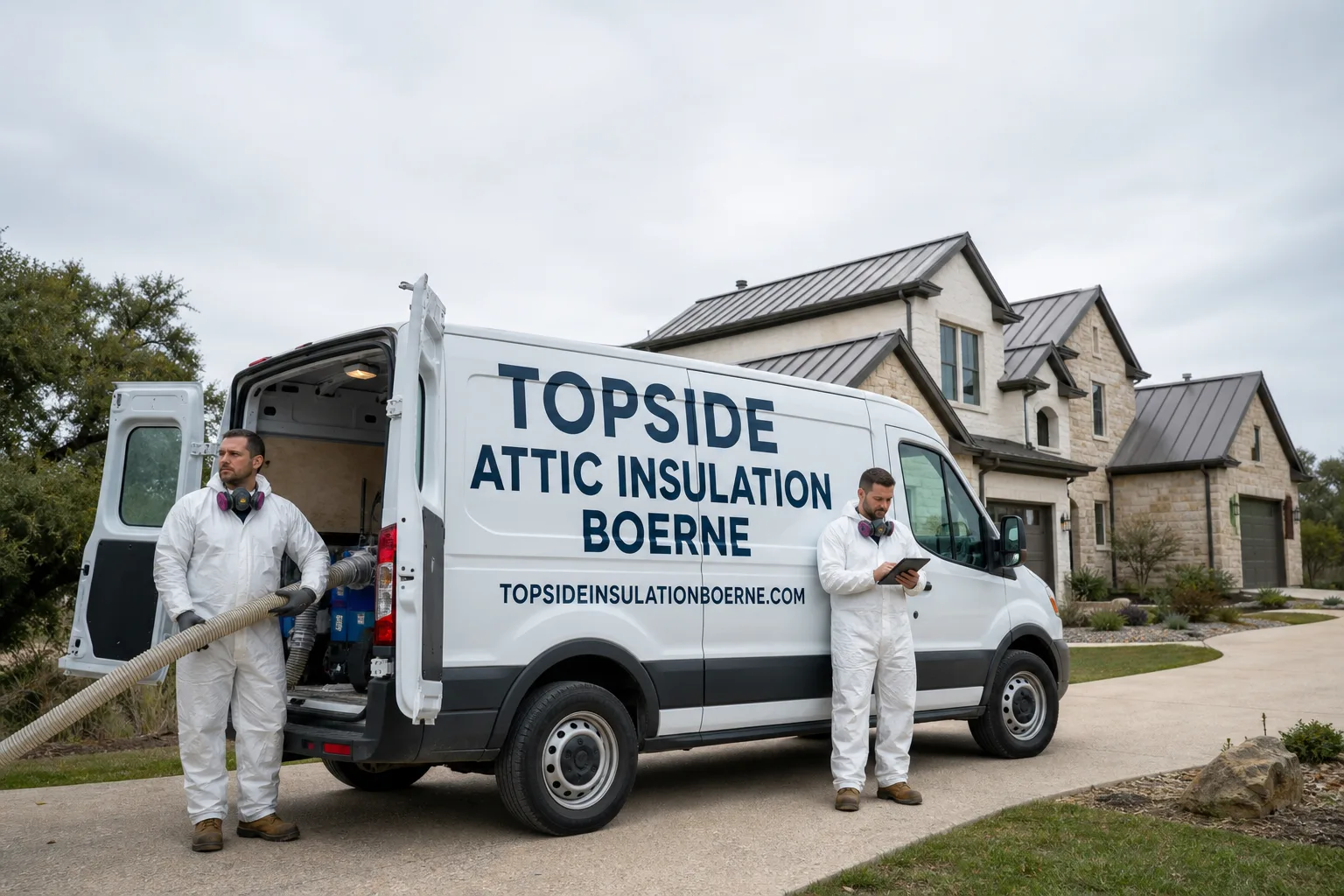
Fast, Reliable Blown-In Insulation Across Castle Hills
Most blown-in insulation jobs in Castle Hills run $1,800-$4,200 for a typical single-story ranch attic, and our crews can usually inspect and start work within 48 hours. We know the permitting route through Castle Hills City Hall, not San Antonio’s development services, which cuts days off project timelines. Call (830) 529-7780 for a written price before any work starts.
We’ve worked on enough Castle Hills homes to know the pattern: a 1950s or 1960s ranch on Skyline Drive or Dalecrest, original fiberglass batts compressed to a fraction of their labeled R-value, attic temperatures pushing 150°F through July and August. The Bexar County heat island doesn’t forgive thin insulation. Our Blown-In Insulation team treats air sealing as a hard prerequisite, not an upsell, because we’ve measured the difference. A blower-door test on an unsealed Castle Hills attic typically reads 3,500-5,000 CFM50; after we seal top plates, can lights, and penetrations, that number drops by 30-50% before we add a single bag of insulation.
Dispatch and scheduling for Castle Hills jobs are coordinated from our Dallas-Fort Worth office, but the crews serving you live and work in the San Antonio metro. They know Castle Hills’s independent building department, its inspection schedule, and the specific failure modes of pre-1970s ranch construction.
Why Topside Attic Insulation Boerne Is Castle Hills’s Preferred Blown-In Insulation Company
We’ve sealed and insulated over 9,000 homes since 2016, and a significant share of them sit in Castle Hills and the near-north San Antonio ring. Our reviews from Castle Hills customers consistently mention two things: the written price they received before anyone lifted a tool, and the blower-door number they walked away with. Under Haven Standard Clause 1, no work starts without a flat price, written scope, and written warranty. That’s not marketing language; it’s the document our crew hands you.
Our response time to Castle Hills is typically same-day or next-day for inspections, and we carry Owens Corning, GreenFiber, and Demilec materials on our trucks so we’re not waiting on distributor runs. The 365-Day Done Right Promise applies to every Castle Hills job, backed by a Documented Photo Record you receive automatically, not on request.
What separates us from contractors working only in surrounding San Antonio neighborhoods is permit fluency. Castle Hills has maintained its own code enforcement independent of San Antonio for decades. We file directly with Castle Hills City Hall. Contractors who don’t know this routinely pull permits through the wrong jurisdiction, causing project delays and failed inspections. We’ve seen it happen.
Our Blown-In Insulation Services in Castle Hills
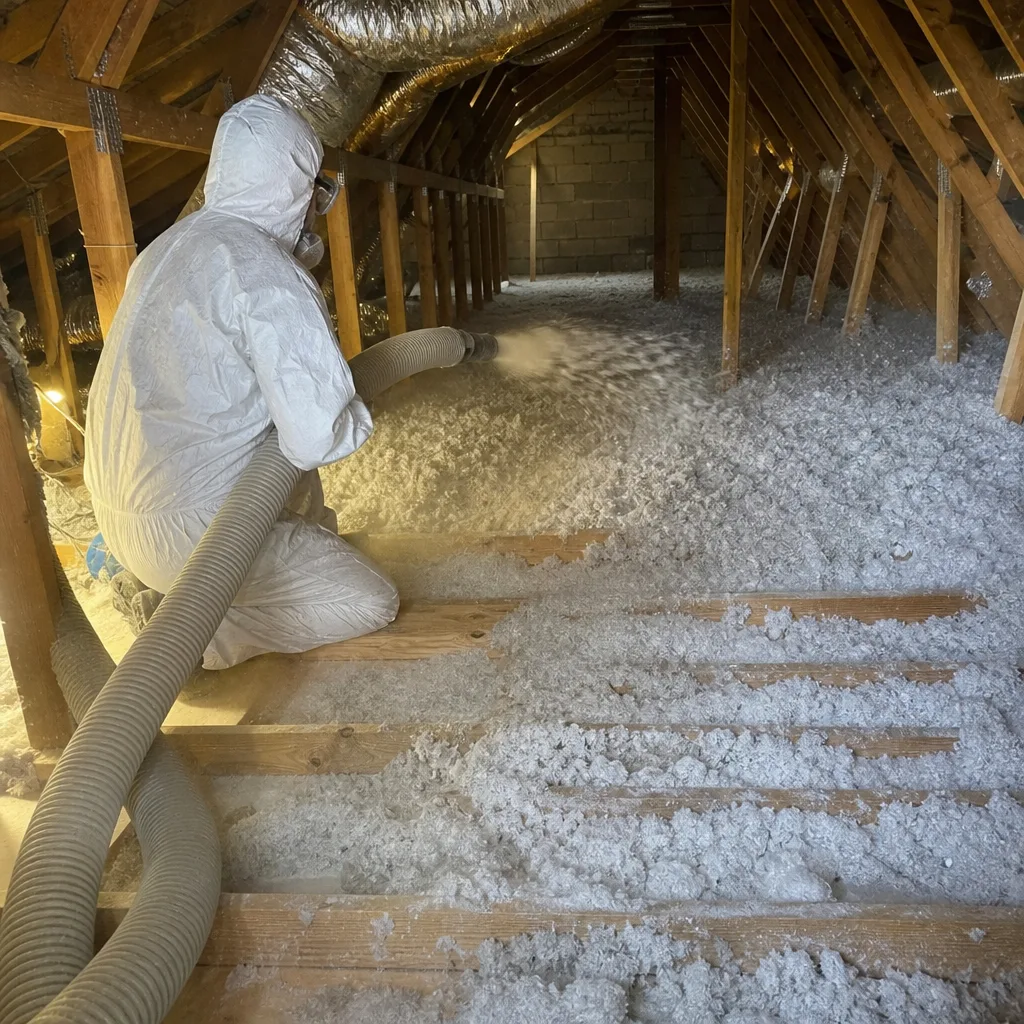
Blown-In Fiberglass
Blown-In Fiberglass is our most common specification for Castle Hills attics, and we typically install Owens Corning to R-38 or R-49 depending on the existing structure. The material doesn’t settle like cellulose can, which matters in attics where original batts have already compressed to uselessness. For a typical 1,400-square-foot ranch attic in Castle Hills, a full removal of degraded batts plus blown-in fiberglass runs $2,400-$3,800. We air-seal first, always. The blower-door test proves it.
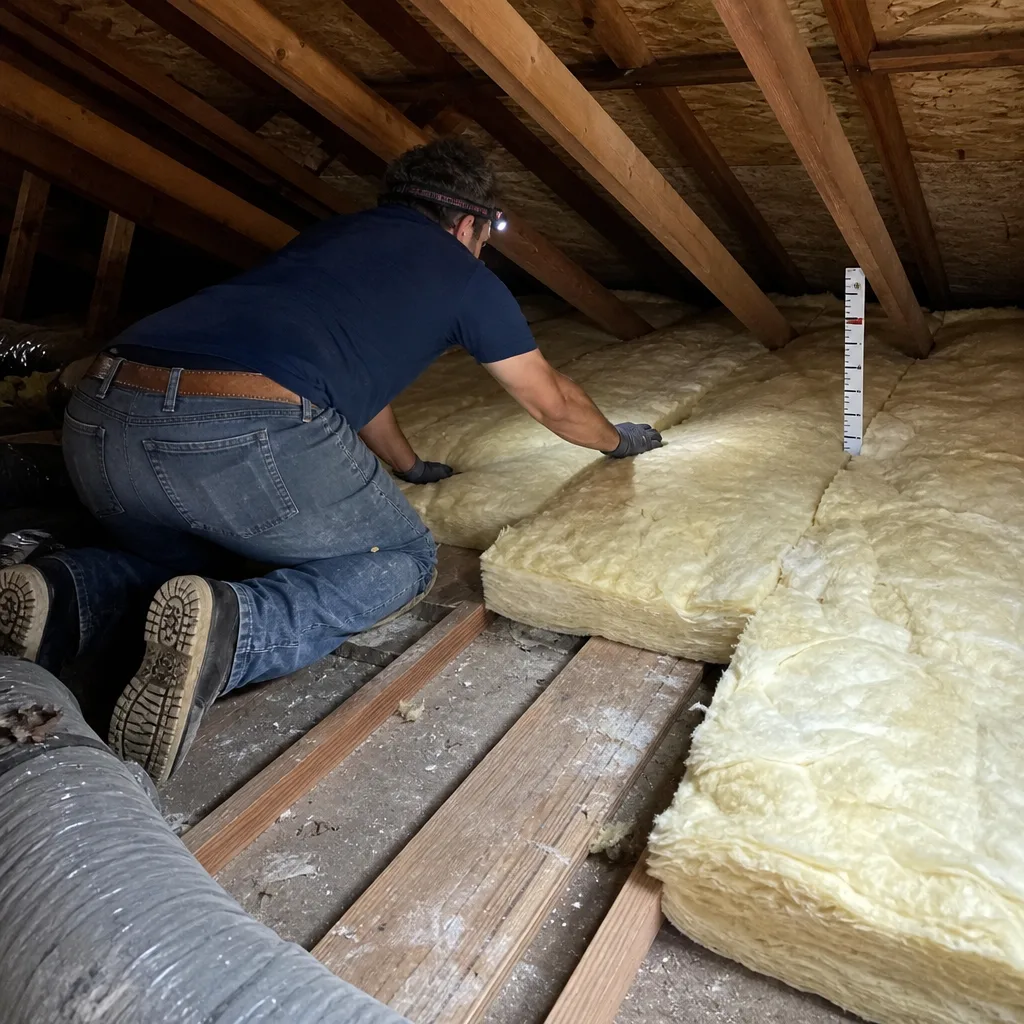
Dense-Pack Wall Insulation
Dense-pack wall insulation - cellulose or fiberglass blown into closed wall cavities at 3.5 pounds per cubic foot - is the fix for Castle Hills homes where exterior walls were never insulated or where original R-7 batts have collapsed. This is especially common in additions built during earlier remodels, where non-standard permit histories mean wall cavities behind drywall were left completely empty. We verify with thermal imaging before we drill. A dense-pack job on a 1,200-square-foot Castle Hills ranch runs $2,800-$4,500 depending on cavity count and access.
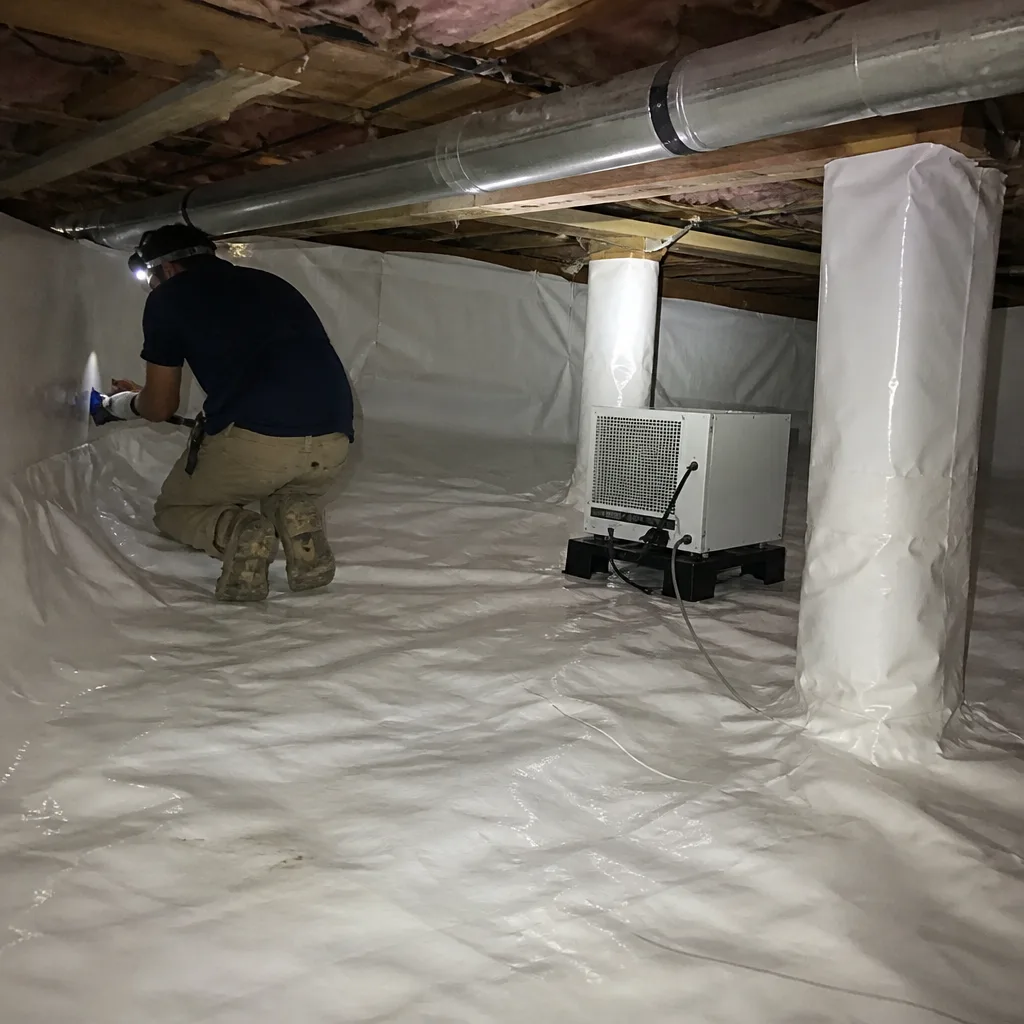
Blown-In Top-Up
Blown-In Top-Up sounds simple: add material over existing insulation. In Castle Hills, it’s rarely that straightforward. Original fiberglass batts from the 1950s-1970s have typically settled to R-3 or less, torn around HVAC penetrations, and compressed under attic hatches. We inspect first. If the existing layer is salvageable, we’ll air-seal penetrations and blow in additional Owens Corning fiberglass to reach target R-value, typically $1,800-$2,800. If removal is necessary - and it often is - we quote that upfront, in writing, before anyone enters the attic.
Blown-In Cellulose
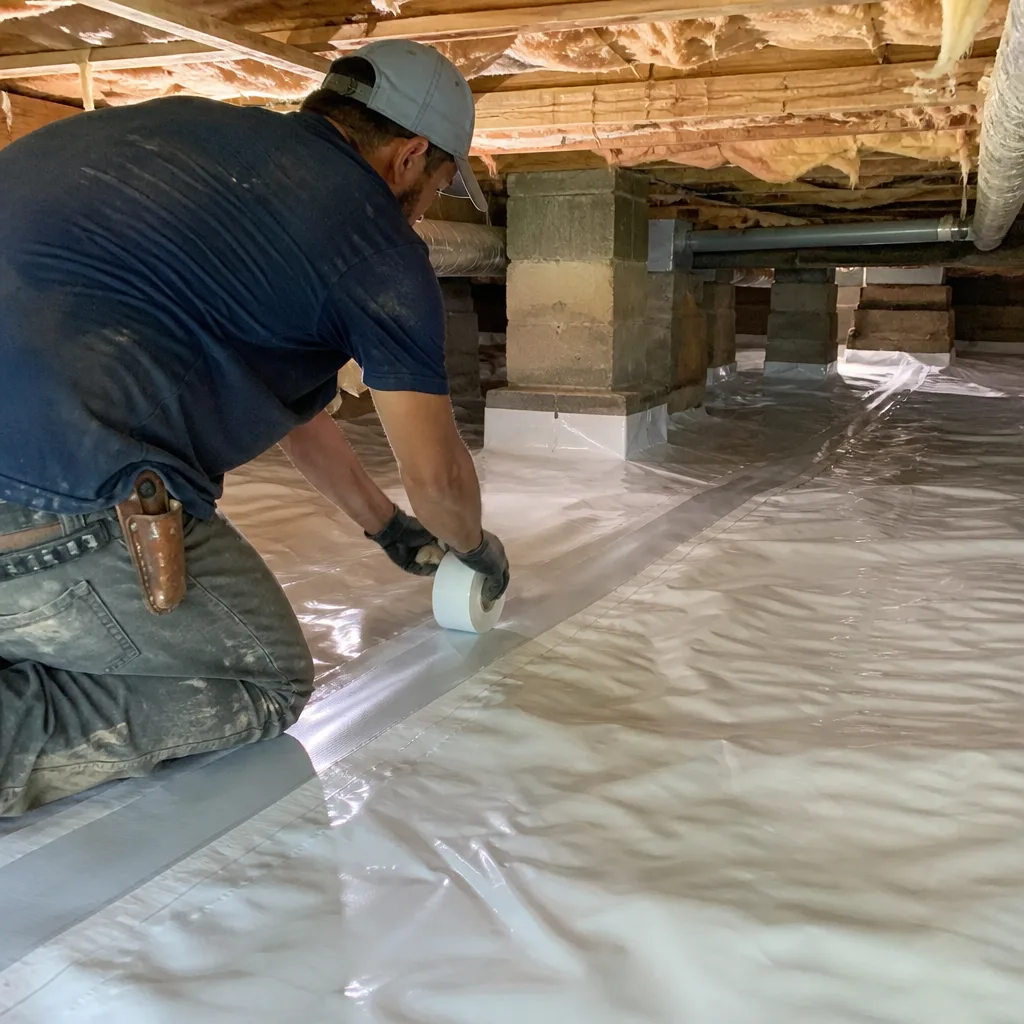
Blown-In Cellulose, treated with borate fire retardant, performs well in Castle Hills’s climate and offers slightly better air-sealing characteristics than fiberglass at the same density. We source from GreenFiber for cellulose jobs. It’s particularly effective for dense-pack wall applications and for homeowners prioritizing recycled content. Attic blown-in cellulose to R-38 typically runs $2,200-$3,600 in Castle Hills.
What happens when you call
- 1
A real person answersNo phone trees - you reach a local pro.
- 2
You get an upfront price rangeHonest numbers before anyone is dispatched.
- 3
A background-checked tech heads outLicensed & insured, dispatched right away.
- 4
You approve before work beginsNothing starts until you say go.
Trusted Brands We Service in Castle Hills
We stock Owens Corning fiberglass, GreenFiber cellulose, and Demilec open-cell spray foam on our trucks serving Castle Hills, with Knauf and Johns Manville available on 24-hour pull. No proprietary product lock-in means we specify what performs for your specific assembly, not what moves our inventory. For Castle Hills’s older ranch homes with low-slope rooflines and limited attic depth, that often means Owens Corning blown-in fiberglass at higher density to achieve R-38 in constrained space. We carry the product, so turnaround isn’t dependent on distributor stock.
Common Blown-In Insulation Problems We See in Castle Hills Homes
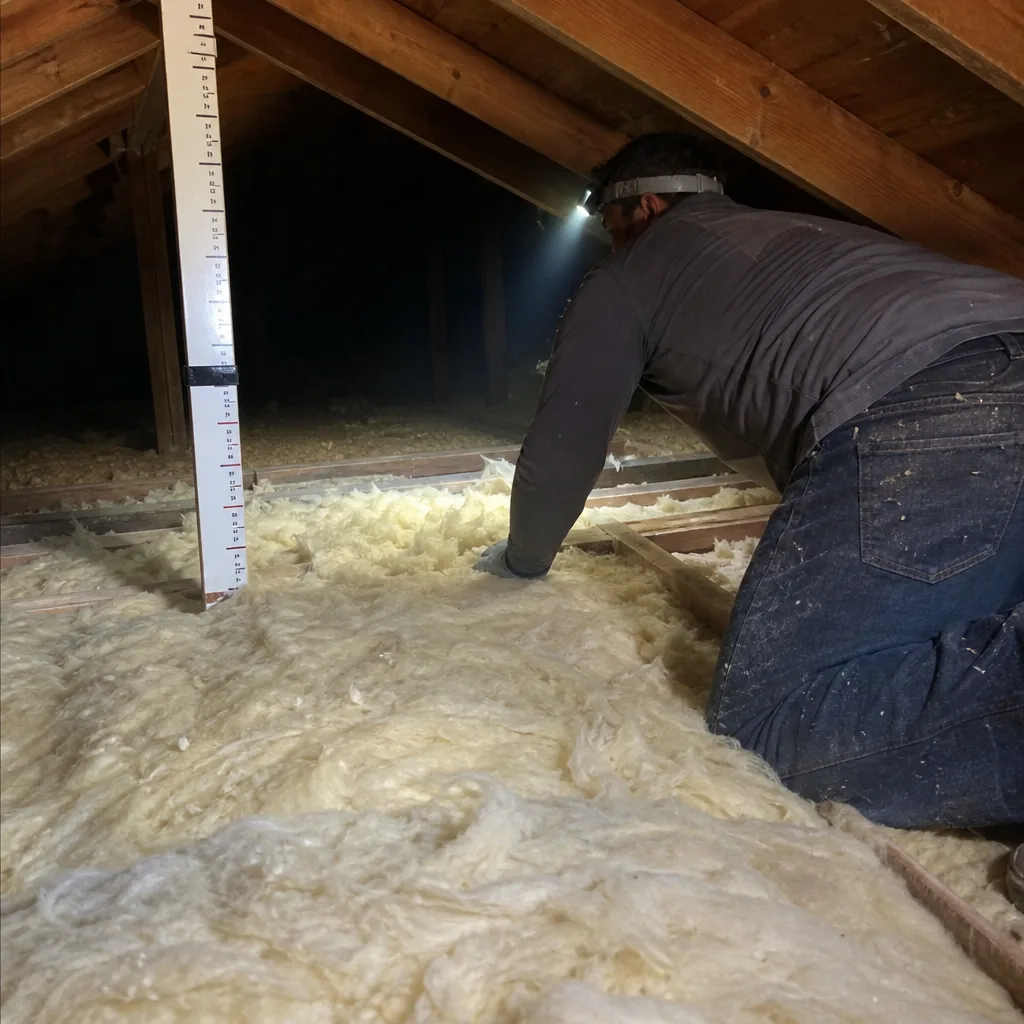
- Settled, torn fiberglass batts compressed to R-3 or less. Original batts in Castle Hills’s 1950s-1970s ranches have degraded around HVAC penetrations and attic hatches, creating gaps where 150°F attic air pours directly into conditioned space. We remove these entirely rather than bury them.
- Non-standard wall cavities in older remodels. Because Castle Hills maintained independent code enforcement, some additions carry permit histories from one era’s standards without later upgrades. Thermal imaging catches uninsulated wall cavities behind drywall that contractors working only in San Antonio neighborhoods rarely think to check.
- Original rim joists and exterior wall cavities at R-7 or uninsulated. Winter Storm Uri exposed how severely underinsulated these assemblies are. We now recommend dense-pack wall insulation and rim-joist sealing as standard on any Castle Hills retrofit, not as upgrades.
- Attic floors sealed only with insulation, not air-sealing. Blown-in material over an unsealed attic floor performs like a sweater with holes. We seal top plates, can lights, and penetrations before we blow. The blower-door number proves the difference.
Pricing for Blown-In Insulation in Castle Hills, TX
| Service | Typical Range | What Drives Cost |
|---|---|---|
| Blown-In Top-Up (attic, existing salvageable) | $1,800-$2,800 | Attic square footage, target R-value, accessibility |
| Full Removal + Blown-In Fiberglass (attic) | $2,400-$3,800 | Removal volume, disposal, air-sealing scope, R-38 vs R-49 |
| Dense-Pack Wall Insulation | $2,800-$4,500 | Cavity count, access method (interior vs exterior), thermal-imaging findings |
| Blown-In Cellulose (attic) | $2,200-$3,600 | Density, R-value target, whether removal is required first |
These ranges reflect Castle Hills’s typical ranch-stock homes, 1,200-2,000 square feet with unconditioned attics. Larger homes, steep rooflines, or significant rodent damage requiring cleaning before installation push costs higher. We provide a written price before any work starts - Haven Standard Clause 1 - and a Free Second Opinion on any competing written estimate. Call (830) 529-7780 for your exact number.
We Also Serve Cities Near Castle Hills
Our crews work throughout the north San Antonio corridor, including Castle Hills, Boerne, Fair Oaks Ranch, Scenic Oaks, and Helotes. Each city has its own permitting path and housing-stock quirks; we know the difference between Castle Hills City Hall and Boerne’s development services, and we file accordingly.
Serving Castle Hills, TX - Our Local Coverage Area
We’re based in the Castle Hills area and know this community well. Use the map below to see our service coverage - if you’re nearby, we can almost certainly help.
FAQs - Blown-In Insulation in Castle Hills
Yes, and it must be issued by Castle Hills City Hall, not San Antonio or Bexar County. Castle Hills is a rare independent enclave with its own municipal building department, and contractors who file through the wrong jurisdiction face delays and failed inspections. We pull permits directly through Castle Hills code enforcement on every job. Call (830) 529-7780 and we’ll confirm the permit path for your specific scope.
Usually not. Original fiberglass batts in 1960s Castle Hills ranches have typically settled to R-3-R-5, torn around HVAC penetrations, and compressed under attic hatches. Blowing new material over degraded old material buries the problem and often creates moisture risks. We inspect first; if the existing layer is intact, we’ll air-seal and top off. More commonly, we recommend full removal. The written price reflects what we actually find.
Castle Hills sits in the Bexar County heat island, where attic temperatures exceed 150°F in summer and cooling dominates energy costs. Air-sealing at the attic floor - top plates, can lights, penetrations - stops conditioned air from escaping into that heat. Radiant-barrier sheathing reflects radiant heat gain back toward the roof deck. The February 2021 freeze also proved how much heat escapes through leaky assemblies. We measure the before-and-after with a blower-door test so you see the number, not just the promise.
Yes, and we find this regularly. Because Castle Hills maintained independent code enforcement for decades, some older additions carry non-standard permit histories - built to one era’s code without later insulation upgrades. Wall cavities behind drywall in these additions are often completely empty. Our thermal-imaging pre-inspection catches this in minutes. Dense-pack wall insulation is the fix, and we include it in the written scope if we find it.
We primarily install Owens Corning blown-in fiberglass, GreenFiber cellulose, and Demilec open-cell spray foam for hybrid assemblies. No proprietary lock-in means we specify based on your attic depth, roof pitch, and performance target. For Castle Hills’s low-slope ranch roofs with limited clearance, Owens Corning fiberglass at higher density often achieves R-38 where cellulose would overfill the cavity. Call (830) 529-7780 for a written recommendation specific to your home.
Ready to see your blower-door number? Call (830) 529-7780 for a free estimate with a written price before any work starts. We answer live, 24/7.
Written by Wes Okafor, Owner at Envelope Insulation Co., serving Castle Hills since 2016 under The Haven Standard.