

Fast, Reliable Spray Foam Insulation Across Live Oak
Spray foam insulation in Live Oak, TX typically costs $1.80-$3.20 per board foot for open-cell and $3.50-$5.50 per board foot for closed-cell, with most complete attic jobs running $2,800-$6,500 depending on accessibility and square footage. Our crews are dispatched from our San Antonio office and usually reach Live Oak properties within 35-50 minutes of scheduling confirmation. Call (830) 529-7780 for a written price before any work starts - that’s Haven Standard Clause 1.
We’ve worked the streets north and west of JBSA-Randolph long enough to know that Live Oak homeowners often call us with two complaints on the same breath: the August cooling bill and the jet noise that rattles the windows during morning flight operations. The city’s dominant housing stock - single-story slab-on-grade brick ranches built from the 1960s through 1980s - creates a specific challenge. Low attic pitches, settled original fiberglass batts, and the acoustic demands of the Randolph noise overlay zone mean spray foam here has to do double duty. Our Spray Foam Insulation team treats air sealing as a hard prerequisite, not an upsell, and we publish before-and-after blower-door numbers on every job so you can see the performance change you actually paid for.
Why Topside Attic Insulation Boerne Is Live Oak’s Preferred Spray Foam Insulation Company
We’ve sealed and insulated over 9,000 homes since 2016, and a meaningful share of those have been in Live Oak’s mid-century ranch neighborhoods where the attics run hot and the flight path runs low. Our crews know the difference between a house on Toepperwein Road and one further south toward Olympia Parkway - not because it changes our process, but because the noise exposure and attic conditions vary block by block, and that context shapes how we specify density and depth.
Live Oak customers who’ve left reviews mention the same things repeatedly: the technician showed up in uniform, the price was written and fixed before anyone touched a tool, and the photo record they received at the end showed exactly what got sealed and sprayed. We don’t ask you to trust us because we’ve been around a while. We ask you to look at the blower-door number on your paperwork - the pressurization reading that shows, in one figure, how much conditioned air your home was losing before and after the work.
Calls are answered by a live person 24/7, no voicemail loops. Scheduling for Live Oak is coordinated from our San Antonio office, and we typically offer next-day availability for standard jobs, same-day for urgent cases where insulation failure has created a comfort or moisture emergency.
Under our 365-Day Done Right Promise, if it’s not done right, we make it right. That promise is backed by a written scope and written warranty delivered before anyone starts - Haven Standard: Have it in writing.
Our Spray Foam Insulation Services in Live Oak
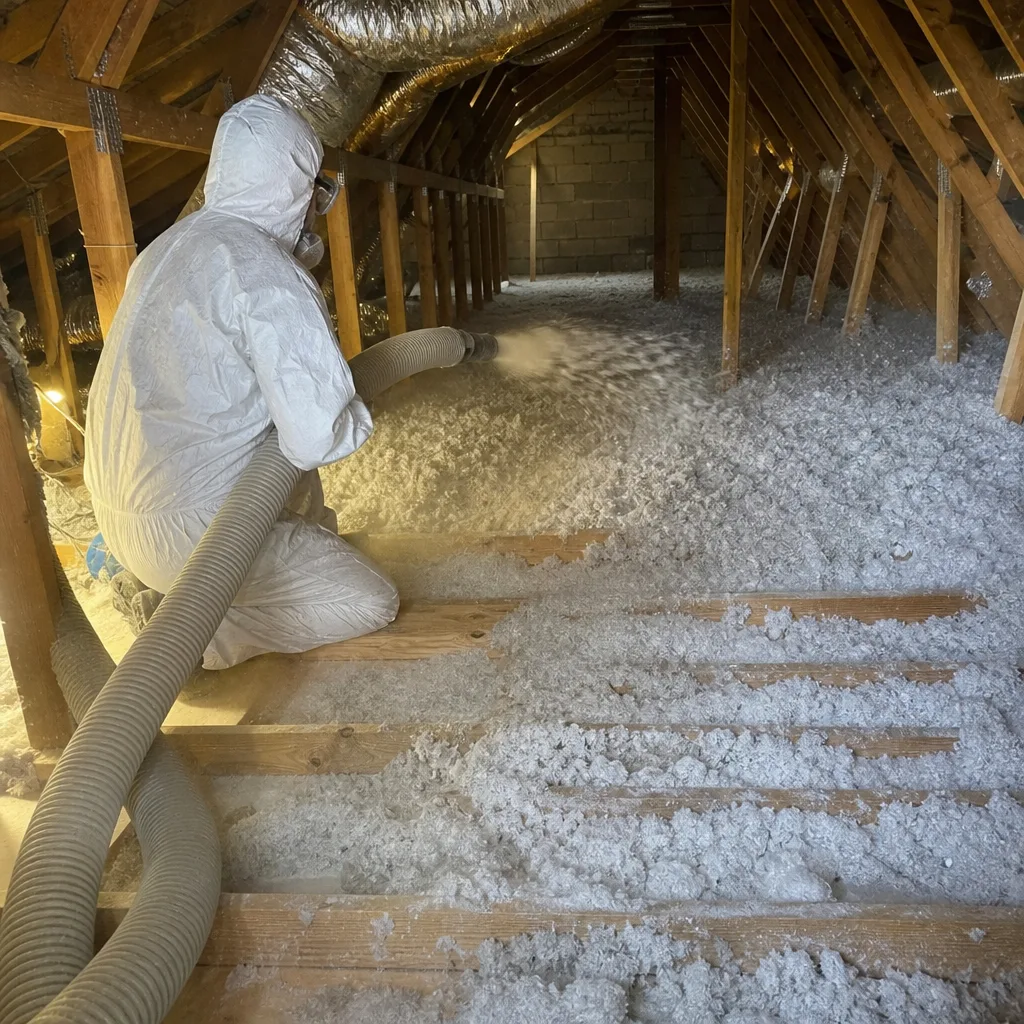
Open-Cell Spray Foam
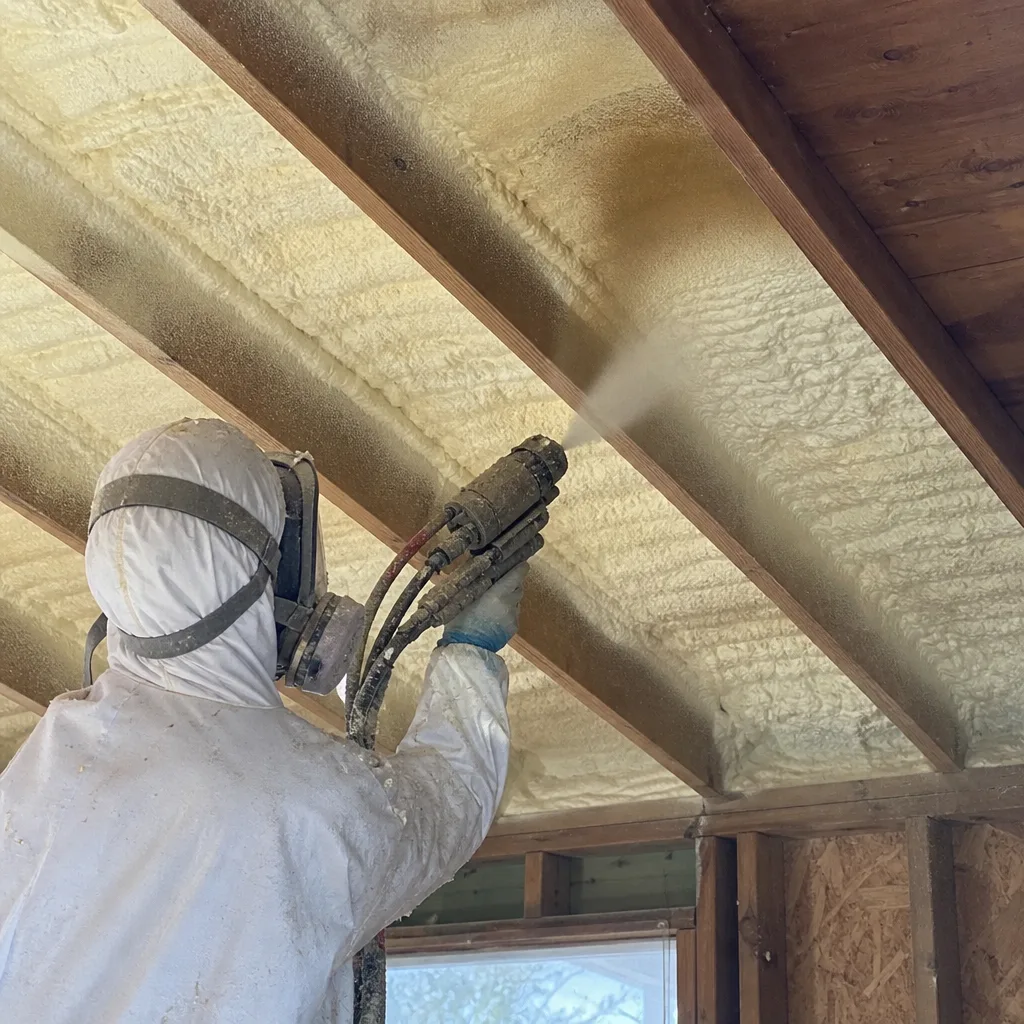
Open-cell spray foam runs lighter and less dense - about 0.5 pounds per cubic foot - which makes it the right choice for Live Oak ranch attics where acoustic dampening matters as much as thermal resistance. The foam expands to roughly 100 times its liquid volume, filling irregular cavities in those low-pitch 1960s and 1970s attics where fiberglass batts never sat right to begin with. We specify Icynene and Demilec products for Live Oak jobs in the Randolph noise overlay zone because the open-cell structure absorbs sound energy across the low-frequency range where military jet noise propagates. A typical open-cell attic job in Live Oak runs $2,800-$4,500 for a 1,400-1,800 square foot ranch.
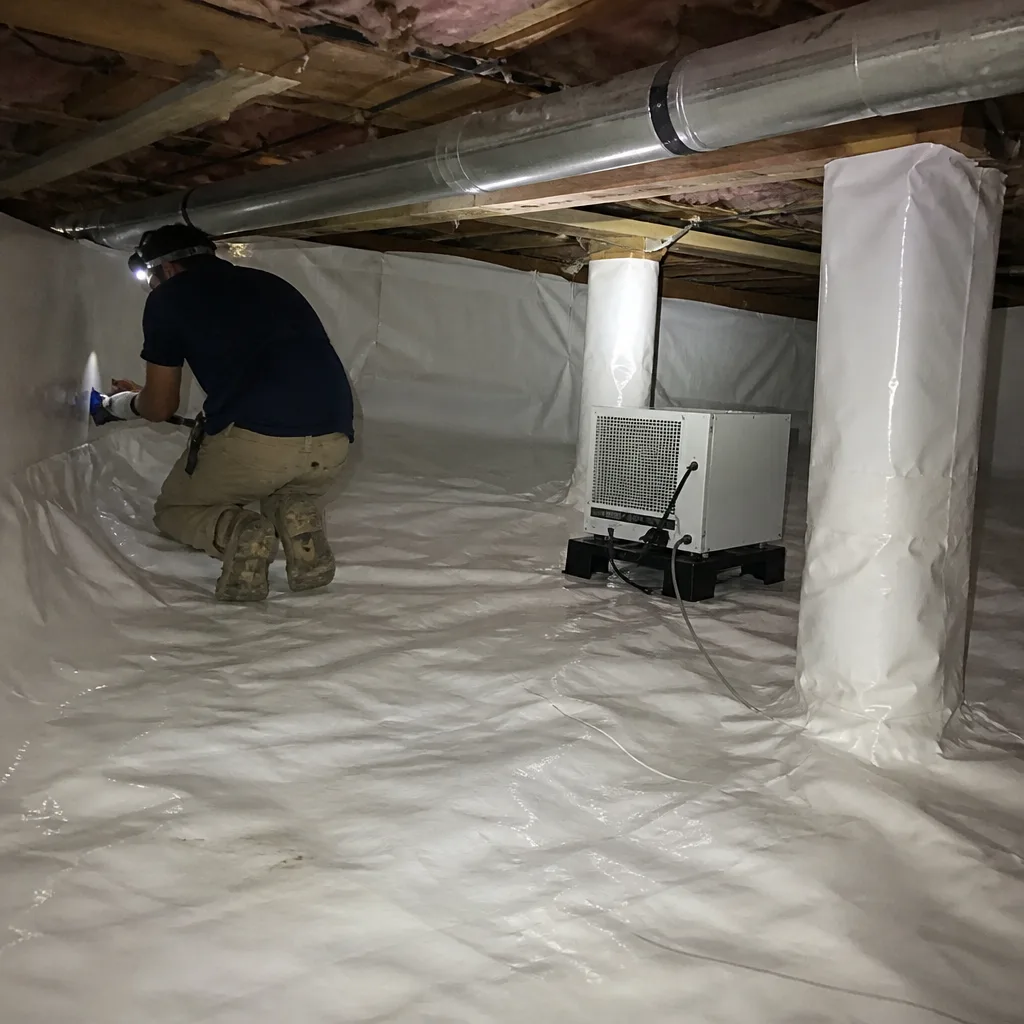
Closed-Cell Spray Foam
Closed-cell spray foam is denser - 2.0 pounds per cubic foot - with a higher R-value per inch and built-in vapor retarder properties. In Live Oak’s slab-on-grade brick construction, we use it for rim joist sealing, garage ceiling applications, and any roof deck work where the building code requires a thermal barrier or ignition barrier. The material adds structural rigidity, which matters in older Live Oak ranches where the rim joist may have settled or cracked over decades of Bexar County soil movement. Closed-cell costs more per board foot, but in tight spaces where every inch counts, the R-6.5 per inch often means the difference between meeting code and falling short. Most closed-cell applications in Live Oak fall between $4,200-$6,500 for complete coverage.
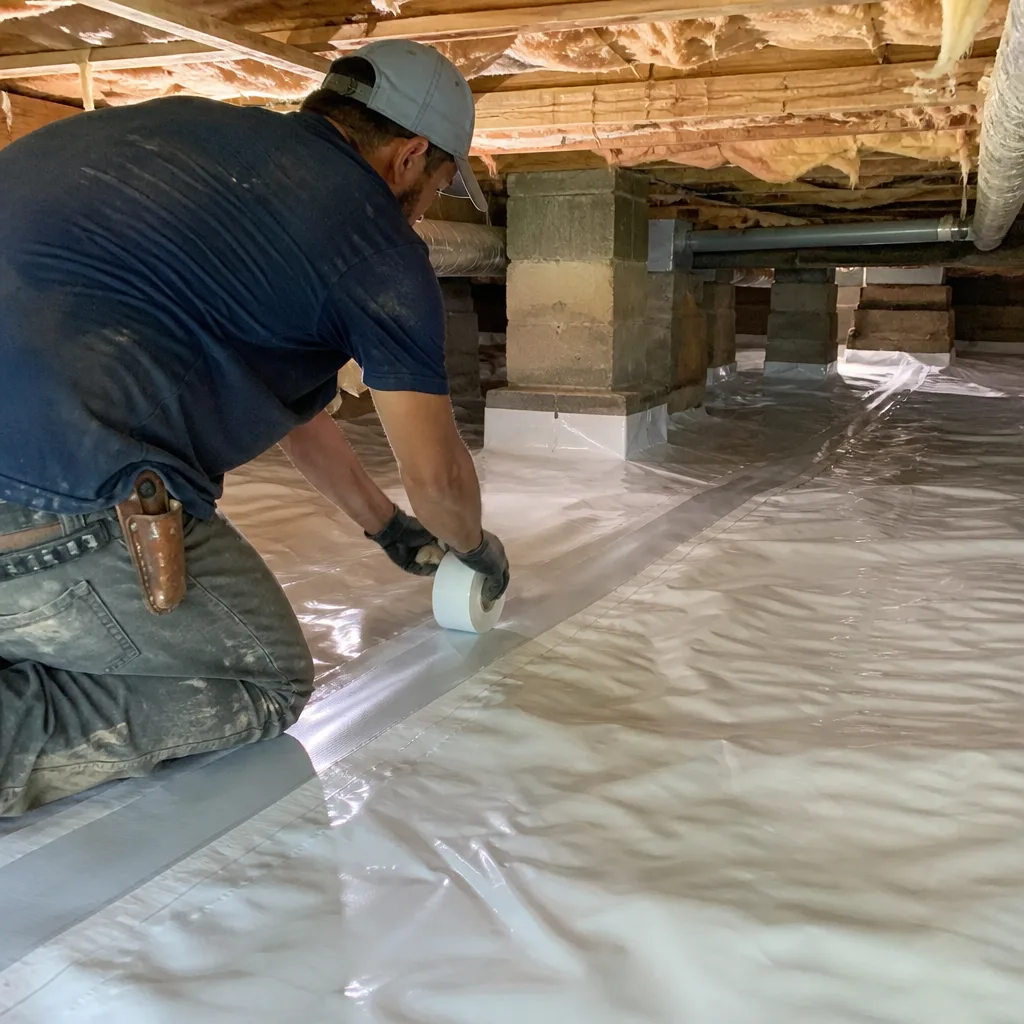
Rim Joist Spray Foam
The rim joist - the perimeter band where your foundation wall meets the floor system - is the single leakiest assembly in most slab-on-grade homes, and Live Oak’s 1960s-1980s ranches are no exception. Fiberglass stuffed in these cavities decades ago has compressed, shifted, or fallen out entirely, creating a direct path for unconditioned garage or crawl space air to enter the living space. We remove the degraded material, seal the gaps with closed-cell spray foam, and document the work with photos. On a typical Live Oak ranch, rim joist sealing runs $800-$1,400 and delivers disproportionate comfort improvement relative to its cost.
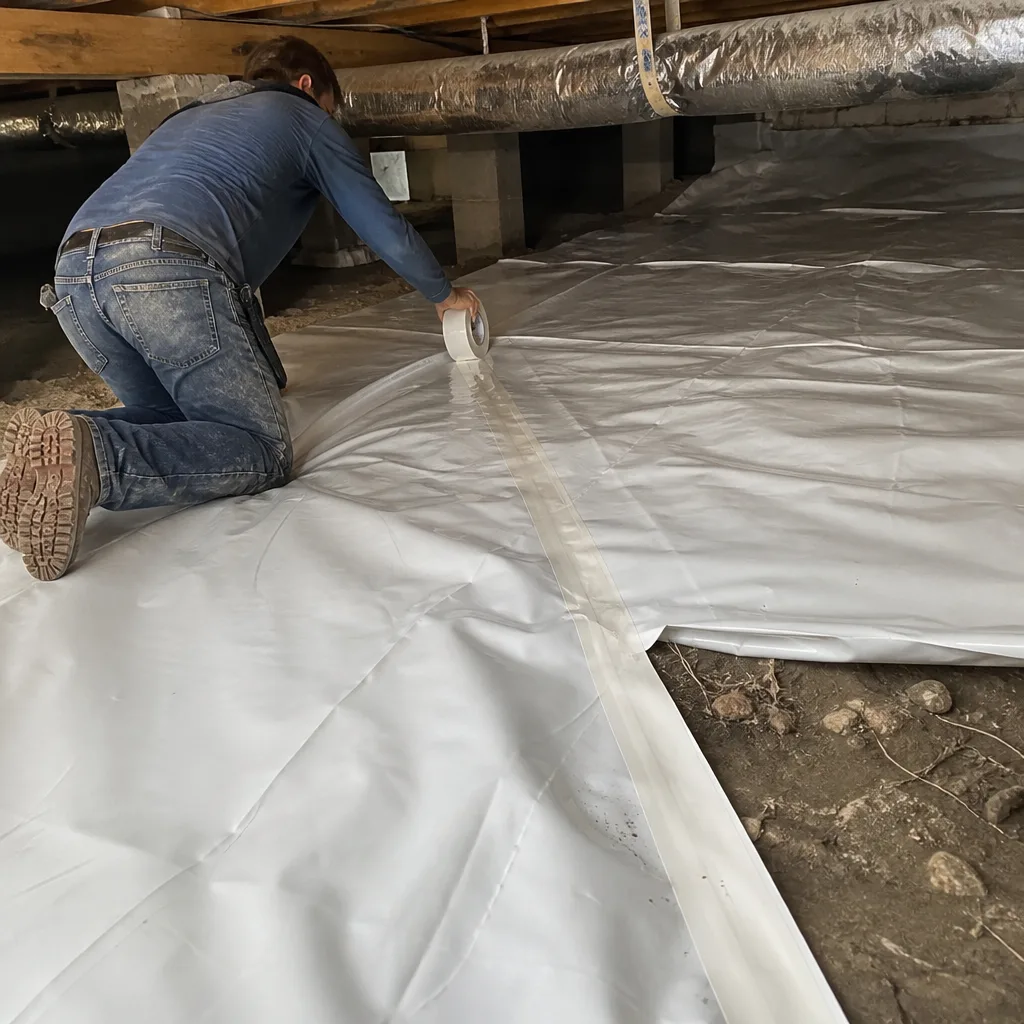
Garage Ceiling Spray Foam
Garage ceilings in Live Oak ranches are often uninsulated or covered with thin, degraded batts that do almost nothing to block the radiant heat rising from a parked car or the summer sun beating on the roof. Spray foam applied to the garage ceiling creates a thermal and air barrier that reduces the heat load on adjacent bedrooms and living spaces. We see this most often in homes where the garage sits under a bonus room or master bedroom - a common layout in the 1970s and 1980s builds near Kitty Hawk Road and the surrounding neighborhoods. Garage ceiling jobs typically range $1,200-$2,400.
What happens when you call
- 1
A real person answersNo phone trees - you reach a local pro.
- 2
You get an upfront price rangeHonest numbers before anyone is dispatched.
- 3
A background-checked tech heads outLicensed & insured, dispatched right away.
- 4
You approve before work beginsNothing starts until you say go.
Trusted Brands We Service in Live Oak
We source spray foam materials from Owens Corning, Johns Manville, Demilec, and Icynene - no proprietary product lock-in that limits your options or inflates your price. For Live Oak jobs in the Randolph noise overlay zone, we often specify Icynene Classic Plus or Demilec Heatlok HFO High Lift because their open-cell acoustic performance has been documented in field conditions similar to yours. We stock common densities and formulations locally, so lead times for standard Live Oak jobs are typically 24-48 hours from written price acceptance to crew arrival. Every batch is tracked by lot number and documented in your job record.
Common Spray Foam Insulation Problems We See in Live Oak Homes
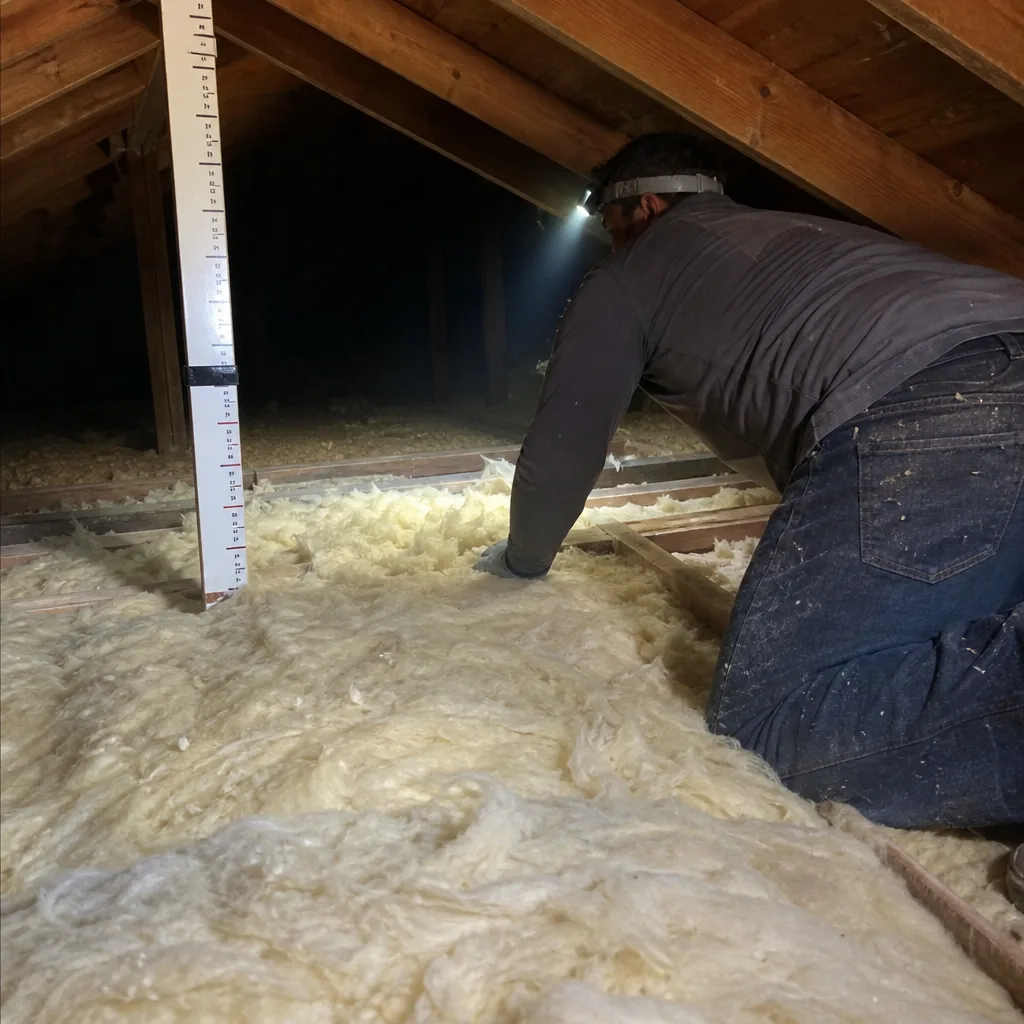
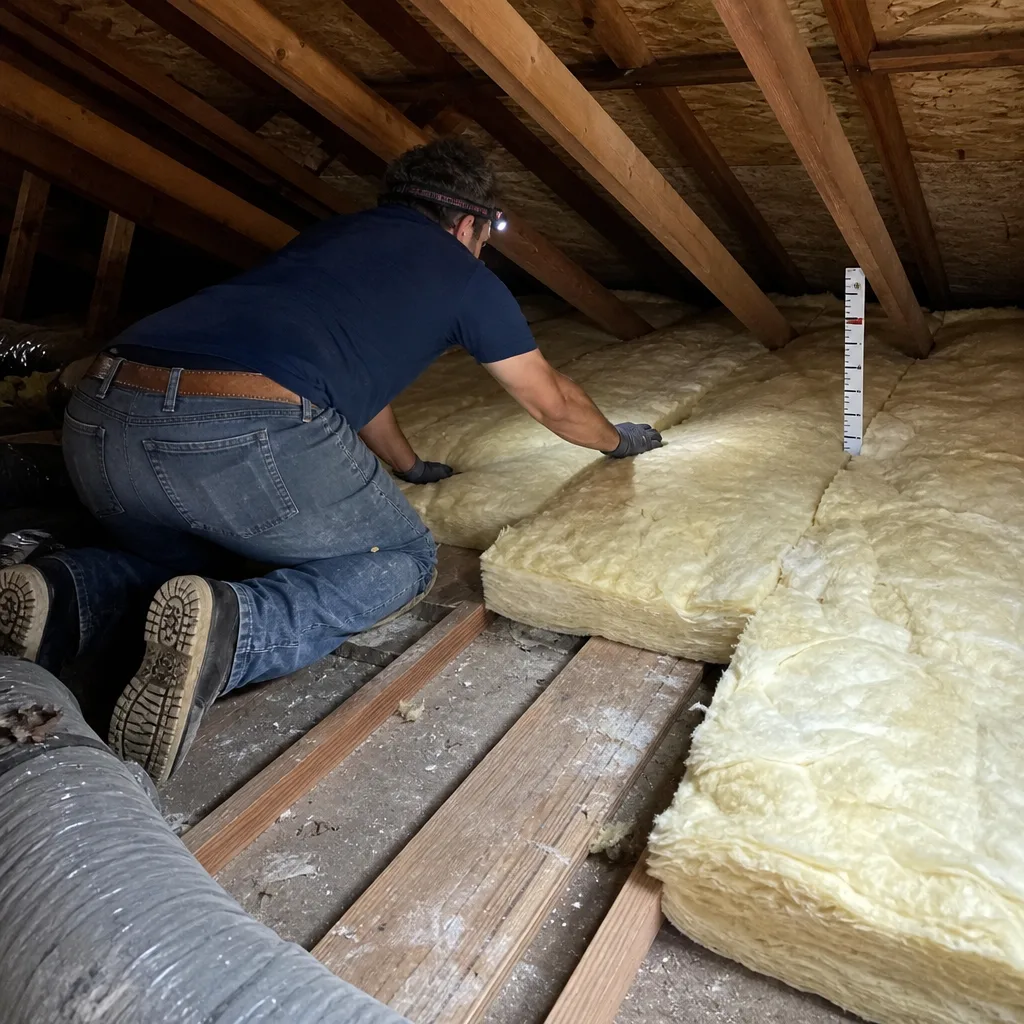
- Spray foam applied over settled fiberglass without air sealing first. We regularly pull into Live Oak ranches where a previous contractor blew or sprayed new insulation over collapsed 1960s-era batts without sealing the top plates, recessed can lights, or plumbing penetrations. The result is convective looping - air moving through and around the new material, carrying heat and jet noise straight through the ceiling plane. We strip the old material, seal every gap, then spray.
- Wrong density spec’d for the application. Closed-cell on a roof deck without a thermal barrier or ignition barrier is a code violation in Bexar County and a fire safety issue. Open-cell in a rim joist or below-grade application without vapor management can trap moisture against slab-on-grade brick and create mold conditions. We specify by assembly, not by habit.
- Attic access and tight-clearance failures. Low-pitch 1960s-1980s Live Oak attics - many with less than 4 feet of clear height at the ridge - require careful application to avoid blocking soffit vents or sealing ridge vent paths. Foam sprayed past framing members or into vent channels creates an attic that can’t breathe, and in Bexar County’s 150°F-plus summer attics, that trapped heat destroys roof deck life and spikes cooling loads.
- Ignoring the acoustic requirement. Contractors from outside the Randolph flight pattern often treat Live Oak like any other San Antonio suburb, specifying for R-value alone. The homeowners we meet on streets north of Toepperwein Road have already tried window upgrades and HVAC upsizing for noise. Wall and attic insulation is usually the missing piece, and standard fiberglass doesn’t dampen low-frequency jet rumble the way open-cell spray foam does.
Pricing for Spray Foam Insulation in Live Oak, TX
| Application | Typical Range in Live Oak | What Drives Cost |
|---|---|---|
| Open-cell attic (complete) | $2,800-$4,500 | Square footage, accessibility, removal of old material |
| Closed-cell attic or roof deck | $4,200-$6,500 | Thickness required, thermal/ignition barrier needs |
| Rim joist sealing | $800-$1,400 | Linear footage, condition of existing material |
| Garage ceiling | $1,200-$2,400 | Area, height, obstructions |
| Air sealing + blower-door test (standalone) | $650-$1,100 | Home size, leak complexity |
These ranges reflect what we see on actual Live Oak jobs - 1960s-1980s ranches with attic clearances that slow crew movement and often require old-material removal before we can seal and spray. Every job gets a written price before any work starts, with no change orders unless you add scope. We also offer a Free Second Opinion on any written estimate from another contractor; bring us their paperwork and we’ll read it with you. Call (830) 529-7780 to schedule an assessment and receive your written price.
We Also Serve Cities Near Live Oak
Our crews work throughout northeastern Bexar County and the surrounding corridor, including Live Oak and nearby Boerne, Fair Oaks Ranch, Scenic Oaks, and Helotes. Dispatch and scheduling are coordinated from our San Antonio office, with local crews serving each area. The same Haven Standard applies everywhere: written price before work starts, documented photo record when the crew leaves, and before-and-after blower-door numbers on applicable jobs.
Serving Live Oak, TX - Our Local Coverage Area
We’re based in the Live Oak area and know this community well. Use the map below to see our service coverage - if you’re nearby, we can almost certainly help.
FAQs - Spray Foam Insulation in Live Oak
Yes. Open-cell spray foam at 5.5 inches or greater depth provides meaningful acoustic dampening in the low-frequency range where military jet noise propagates - the rumble that passes through standard windows and thin ceilings. We verified this on a ranch home off Toepperwein Road near the Randolph flight pattern, where our crew found original fiberglass batts collapsed to roughly half their installed depth and the homeowner complaining about jet noise as much as the August cooling bill. We air-sealed the top plates and applied open-cell spray foam across the attic floor and roof deck line - Icynene for its acoustic dampening - cutting both the radiant heat load off the 150°F-plus attic and the low-frequency jet rumble coming through the ceiling. The homeowner reported the house held temperature through the afternoon peak and the jet noise was noticeably muted indoors. Call (830) 529-7780 for a written price - estimates are free.
No, and we won’t. Spray foam applied over settled, degraded fiberglass batts traps convective air loops beneath the new material, undercutting both R-value and any acoustic benefit. Our process removes the old material completely, air-seals the top plates, can lights, and penetrations, then applies spray foam to a clean substrate. The removal and disposal is included in your written scope. Call (830) 529-7780 for an exact quote - estimates are free.
Yes. Low-pitch 1960s-1980s attics are standard conditions for our crews, not exceptions. We use extended-reach applicators and work from the perimeter inward to maintain soffit and ridge vent paths. The key is controlling expansion so foam doesn’t block ventilation channels - a common failure we see in attics where previous contractors sprayed without regard to airflow. Your written scope will specify vent protection measures. Call (830) 529-7780 for an exact quote - estimates are free.
Open-cell for attic floors and roof decks where acoustic performance and cost-effectiveness matter; closed-cell for rim joists, garage ceilings, and any assembly requiring vapor management or structural rigidity. Slab-on-grade construction in Live Oak has no basement to buffer ground moisture, so rim joists need closed-cell’s built-in vapor retarder. Roof decks in conditioned attic assemblies can use open-cell with proper vapor profile analysis. We specify by assembly, not by default. Call (830) 529-7780 for an exact quote - estimates are free.
Not if specified and installed correctly. The risk in Bexar County’s hot-humid climate is trapping moisture against the roof deck from interior air leakage or improper vapor profile. We address this by completing air sealing before spraying, specifying the correct density for the assembly, and ensuring the roof deck can dry to the exterior through proper ventilation paths. On applicable jobs, we provide before-and-after blower-door readings so you can verify the air-sealing result. Call (830) 529-7780 for an exact quote - estimates are free.
Written by Wes Okafor, Owner at Topside Attic Insulation Boerne, serving Live Oak since 2016 under The Haven Standard.