
GreenFiber Radiant Barrier Installation: The Boerne Owner’s Guide
GreenFiber radiant barrier installation in Boerne typically runs $1.40 to $2.10 per square foot of attic floor, with most single-family homes in the $1,800-$3,400 range for a complete install. We stock GreenFiber-compatible radiant barrier rolls and keep the kraft-faced tape and mechanical fasteners on our trucks, so most Boerne jobs start same-day or next-day. Homeowners usually figure out something’s wrong when their summer electric bill jumps $80-$150 and the upstairs bedrooms won’t cool below 78 degrees, even though the AC runs nonstop.
Which GreenFiber Models This Applies To
GreenFiber doesn’t manufacture a standalone radiant barrier product under its own label. What Boerne homeowners are usually holding is a GreenFiber cellulose insulation system that was paired with a radiant barrier during original construction, or a retrofit where a previous contractor layered GreenFiber loose-fill over an existing foil barrier that has since degraded. The radiant barrier itself is typically a perforated aluminum foil product, often from Reflectix or a regional distributor, installed stapled to the underside of the roof deck or draped over the rafters.
To identify what you’ve got, check the attic for a foil-faced product with printed markings. Reflectix LP series will have a stamped product code every 24 inches; generic builder-grade foil often has no markings and tears along the perforations after 8-12 years in Hill Country heat. If your home was built between 2005 and 2015 in the Cordillera Ranch or Balcones Creek areas, there’s a decent chance you have a hybrid system: GreenFiber cellulose on the attic floor, plus a foil barrier that was never properly ventilated and has oxidized at the ridge. We don’t chase OEM purity for radiant barrier; the performance spec that matters is emissivity below 0.05 and a tear strength that survives Texas attic cycling. We source from the same supply chain that stocks GreenFiber-adjacent jobs, and we’ll match the existing fastening pattern so your insulation warranty stays intact.
Signs Your GreenFiber Radiant Barrier Installation Is Failing
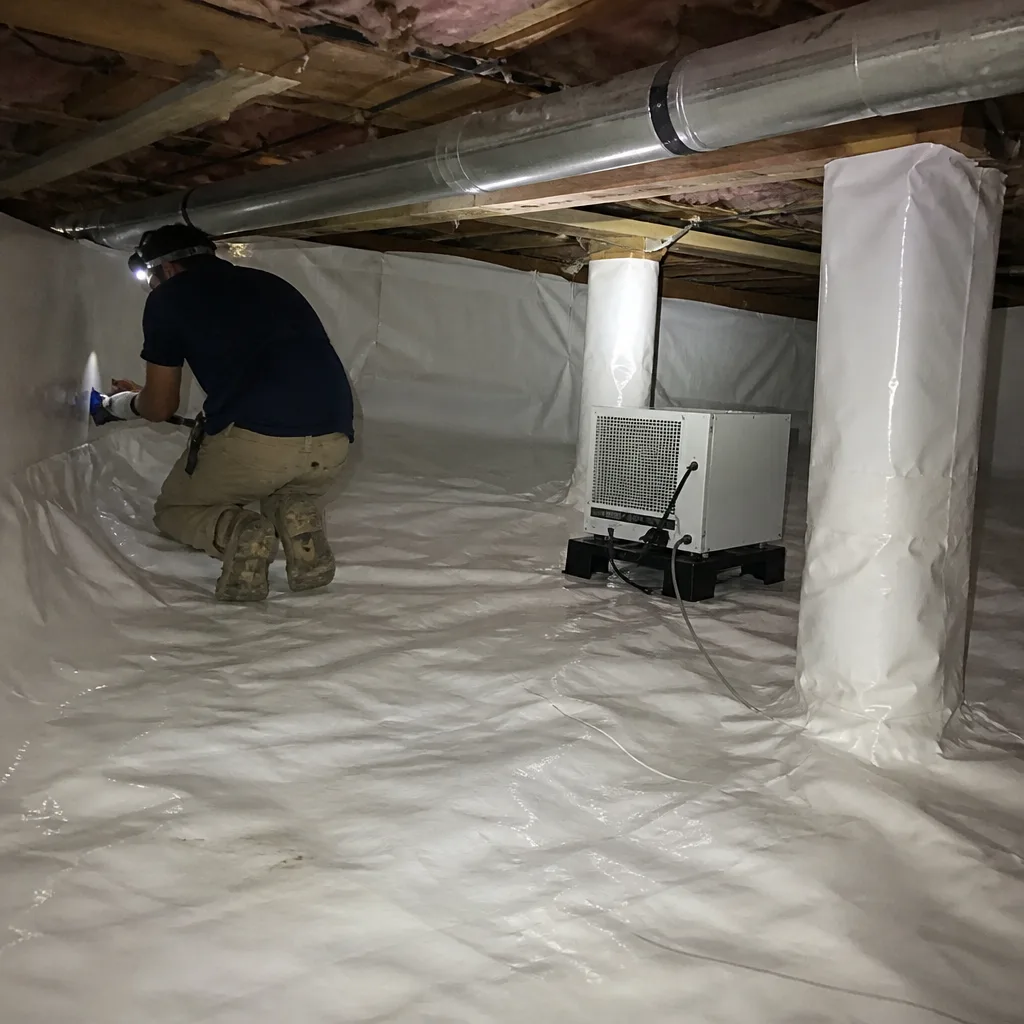
- Upstairs rooms run 6-10 degrees hotter than downstairs. The radiant barrier’s emissivity has degraded, so roof deck heat is radiating straight through into the conditioned space. In Boerne, where roof surface temps hit 160°F in August, a failed barrier puts the full thermal load on your ceiling insulation.
- Electric bills spike July through September with no rate change. Your AC is compensating for radiant heat gain that the barrier used to block. We see this pattern most in homes near the Cibolo Nature Center where mature tree cover used to help, but canopy loss has exposed roofs to direct afternoon sun.
- Foil is visible from the attic hatch and looks dusty, brittle, or torn. Perforated radiant barrier needs intact surface area to reflect infrared. Dust accumulation alone can push emissivity from 0.03 to 0.15; combined with tears at the staple line, you’re getting almost no benefit.
- Moisture staining on the attic side of ceiling drywall. When radiant barrier fails in a vented attic with humid outside air, the temperature differential can drive condensation at the ceiling plane. This is especially common in Boerne’s spring shoulder season, when 80°F days follow 55°F nights.
- Your GreenFiber cellulose has settled 2+ inches below the joist tops. Settled insulation isn’t a radiant barrier problem directly, but it means the original install was done without air sealing first, and the barrier was likely stapled to a leaky attic floor where thermal bypasses accelerated its degradation.
Replacement Cost & What’s Included
Most Boerne radiant barrier replacements we do run $1,800-$3,400 for attics between 1,200 and 2,800 square feet of floor area. That range covers removal of degraded foil, air sealing of top plates and penetrations, and installation of new perforated aluminum barrier with proper ridge and soffit ventilation gaps.
What moves you toward the high end: steep roof pitch (more labor per square foot), multiple attic zones separated by kneewalls, or existing rodent damage requiring cleanup before we can safely work. What keeps you toward the low end: single open attic, walkable pitch, and existing electrical lighting we can work around. Every job gets a Written Price Before Any Work Starts under Haven Standard Clause 1, flat and itemized. The 365-Day Done Right Promise covers labor and materials. On applicable jobs, you’ll receive before-and-after blower-door numbers showing the air-sealing improvement, plus a Documented Photo Record of the completed barrier installation.
DIY or Call Us?
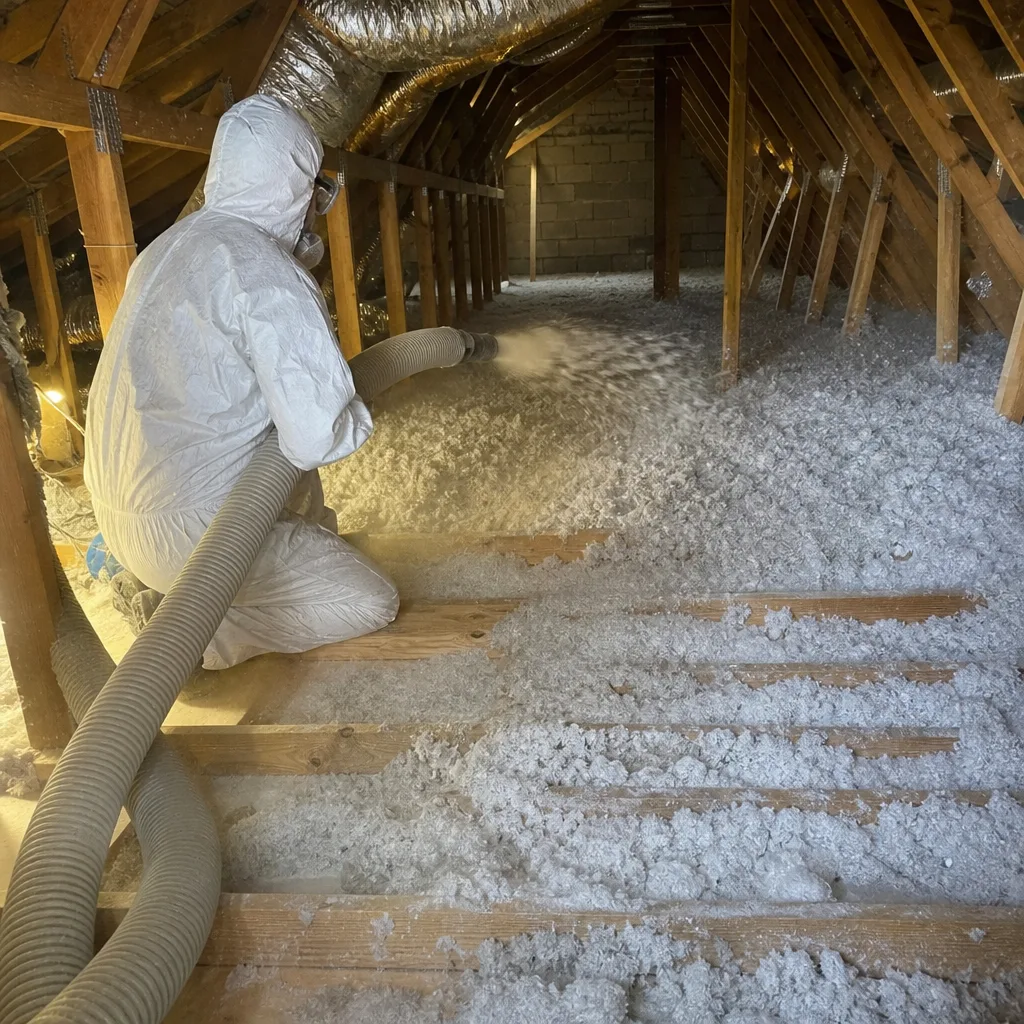
You can safely check a few things from the attic hatch with a flashlight and a dust mask: whether the foil is intact, whether staples have pulled through, and whether you see daylight at the ridge indicating a ventilation gap. Don’t walk the joists unless you know the load path; we’ve replaced ceiling drywall for homeowners who stepped through.
Where DIY goes wrong: radiant barrier installation requires working at height, in heat, with precise staple spacing and ventilation clearances. A barrier installed tight to the ridge with no gap traps moisture and can void your roof warranty. Worse, most Boerne attics built 2005-2015 have unsealed top plates and can lights that will undermine any barrier you install. We air seal first, then hang the barrier, then verify with a blower-door test. That’s the sequence that produces a number on paper. Call (830) 529-7780 and we’ll walk through what you’re seeing; estimates are free, and we stock what we quote.
FAQs
Perforated aluminum radiant barrier in a vented Texas attic typically performs for 15-25 years, but we’ve seen builder-grade foil fail in 8-10 years when installed without proper ventilation gaps or over unsealed air leaks. The Hill Country’s UV exposure and wide temperature swings accelerate oxidation at the staple lines. Call (830) 529-7780 for an attic inspection - estimates are free.
Patching is possible if less than 15% of the surface is damaged and the remaining foil tests below 0.05 emissivity, but we rarely recommend it. The labor to patch properly approaches the cost of replacement, and you’ll still have the original air-leakage problems that caused the failure. Most Boerne homeowners see better return on a full replacement with integrated air sealing. Call (830) 529-7780 for an exact quote - estimates are free.
A typical Boerne home takes one day for removal, air sealing, and new barrier installation; larger or multi-zone attics may run into a second day. We don’t start work without a written price and a scheduled arrival window, and you’ll get a text when the crew is en route. The 365-Day Done Right Promise applies from completion.
We keep perforated aluminum radiant barrier rolls, kraft-faced tape, and mechanical fasteners on every truck, sized for the attics we commonly see in Kendall County and north Bexar County. We’re an independent service provider, not affiliated with GreenFiber, but we source through the same regional supply chain and match existing hybrid systems without compatibility issues. Same-day starts are available when scheduling allows.
Written by Wes Okafor, Owner, Topside Attic Insulation Boerne at Topside Attic Insulation Boerne, serving Boerne and nearby areas.