
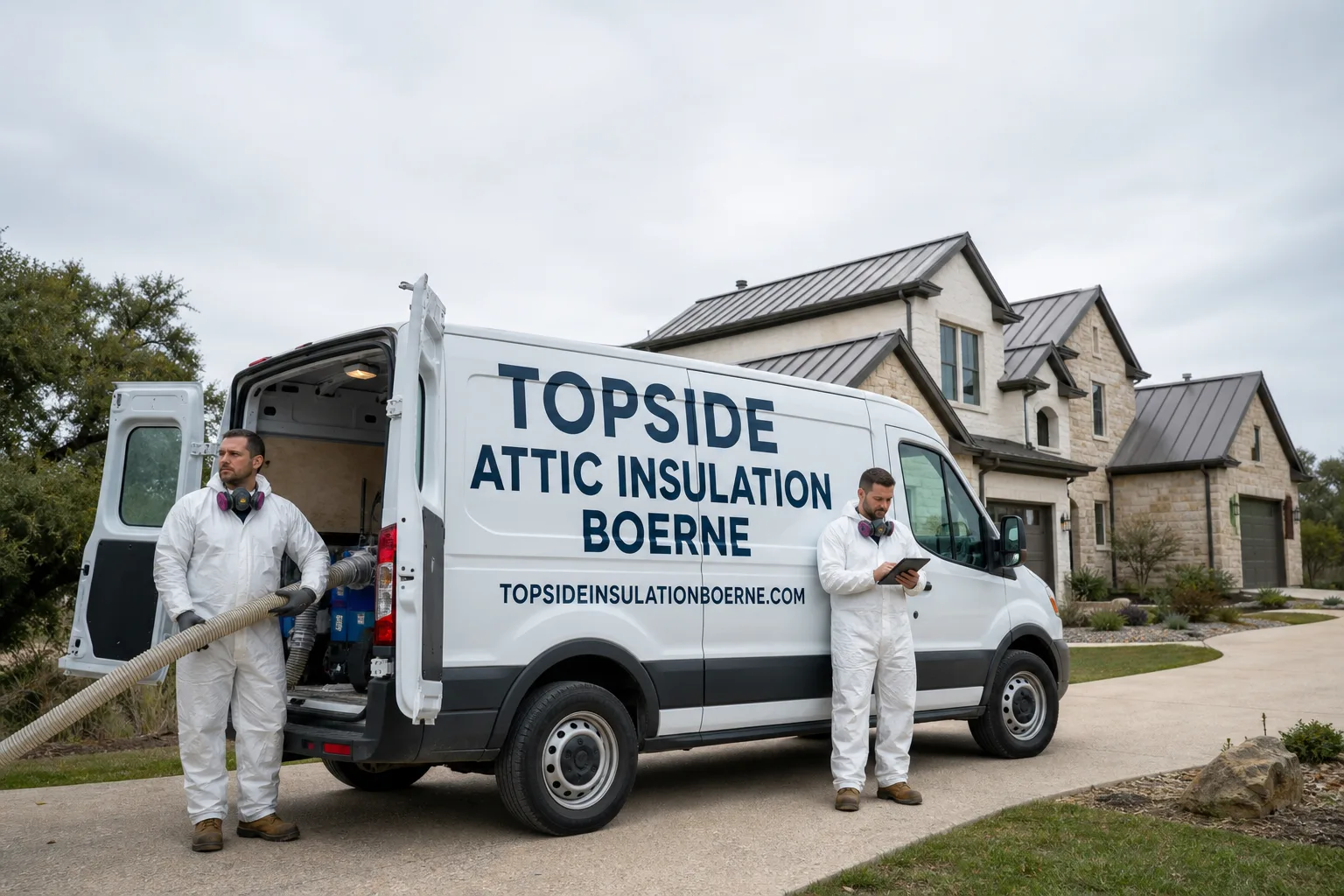
How Much Does a Home Energy Audit Cost in Boerne?
A Home Energy Audit in Boerne, TX typically costs between $250 and $650 for a standard blower-door assessment with a written report, though larger homes above 3,000 square feet or properties requiring duct leakage testing alongside the building-envelope evaluation can reach $800 or more. Most Boerne homeowners scheduling an audit through Envelope Insulation Co. are looking at a $300-$500 range for a complete diagnostic that includes pressurization testing, thermal imaging, and a documented findings report they can act on the same week. That price buys you real numbers – a blower-door reading in CFM50 (cubic feet per minute at 50 pascals of pressure, the standard figure that tells you exactly how much conditioned air your home is losing) and a prioritized list of where to spend remediation money first.
Home Energy Audit Cost Breakdown (2026)
Boerne’s housing stock presents a specific diagnostic picture. The Hill Country climate – hot summers pushing attic temps above 140°F, combined with the limestone-based soil that shifts foundations and opens up penetrations in the building envelope over time – means audits here regularly turn up problems that wouldn’t appear on a checklist written for Houston or Dallas homes. The following table reflects actual pricing for the Boerne market in 2026, not a national average.
| Audit Type or Component | Typical Boerne Price Range | What You Get |
|---|---|---|
| Basic visual walkthrough only (no equipment) | $0-$150 | Inspector’s observations, no pressure data, limited actionability |
| Blower-door test only (single pressurization reading) | $150-$250 | One ACH50 or CFM50 figure, minimal written guidance |
| Standard audit: blower-door + thermal imaging + written report | $300-$500 | Pressure readings, thermal scan of exterior walls and attic plane, prioritized recommendations, documented photo record |
| Full diagnostic: above + duct blaster test | $450-$650 | All of the above plus duct leakage measurement (HVAC supply and return losses quantified) |
| Large home premium (3,000+ sq ft) | Add $100-$200 | Extended testing time, additional thermal scan zones |
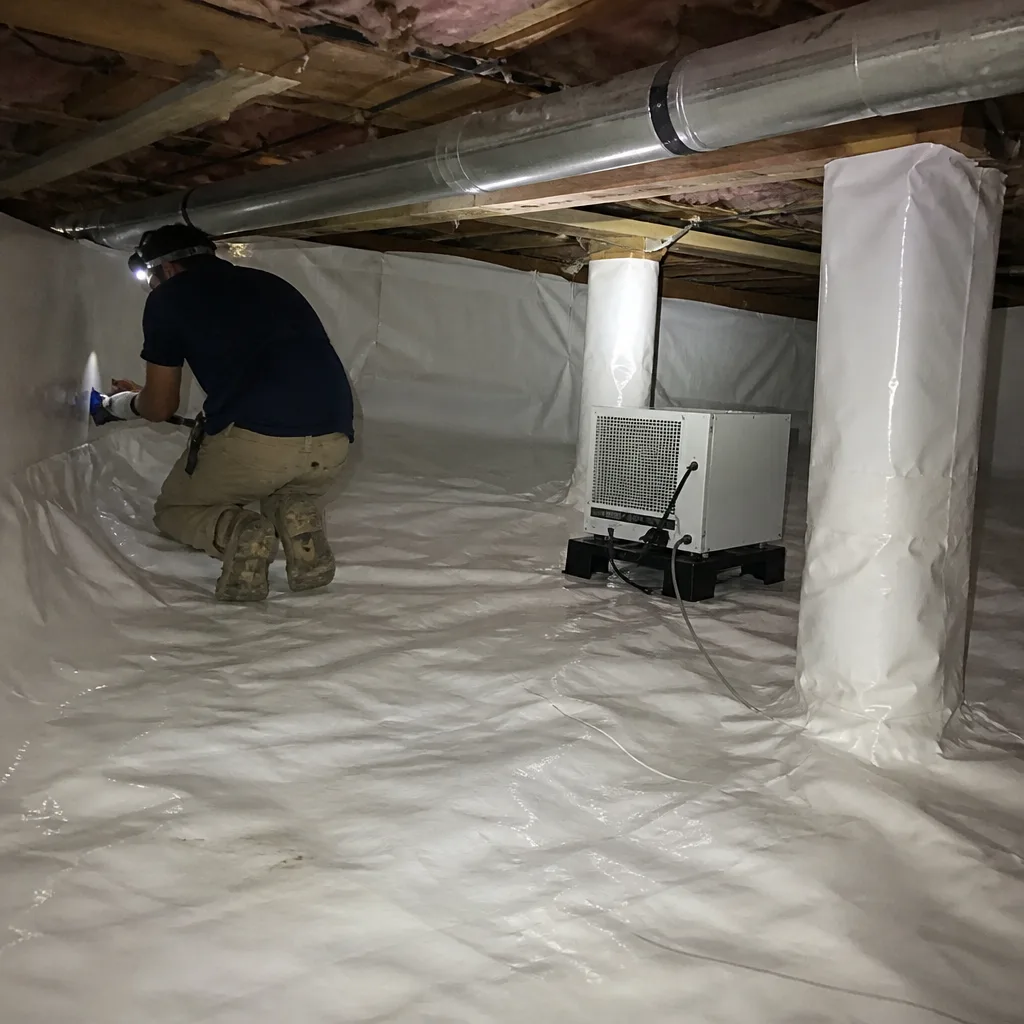
| Crawl space or encapsulated space included | Add $75-$150 | Vapor barrier inspection, moisture reading, penetration mapping at the floor plane |
| Written remediation scope (air sealing + insulation estimate) | Included at Envelope Insulation Co. | Flat written price before any work starts – Haven Standard Clause 1 |
A few things push that number up. Homes in Boerne’s older sections near the historic downtown, particularly those built before 1990 with original attic framing and no vapor retarder, often require more time because the auditor is mapping penetrations that were never sealed at the time of construction. Wes Okafor and the Envelope Insulation Co. team see this regularly in neighborhoods like Herff Ranch and older subdivisions off Kronkosky Street, where can lights were punched through the attic floor in the 1980s and never air-sealed. A standard blower-door number in those homes can read 2,500 to 4,000 CFM50 higher than a comparable new build in Cibolo Canyons or The Reserve at Champion Creek, which means the remediation scope is larger and the audit itself takes longer to document accurately.
What pushes cost down is straightforward: newer construction (post-2015 Boerne homes built under the 2015 IRC energy code tend to have fewer penetration issues), single-story floor plans, and homes where a previous audit already exists so the technician isn’t starting from zero. The audit cost is also essentially unchanged whether you end up spending $2,000 or $12,000 on the follow-up work – the diagnostic fee doesn’t scale with remediation scope.
What Affects Home Energy Audit Pricing in Boerne
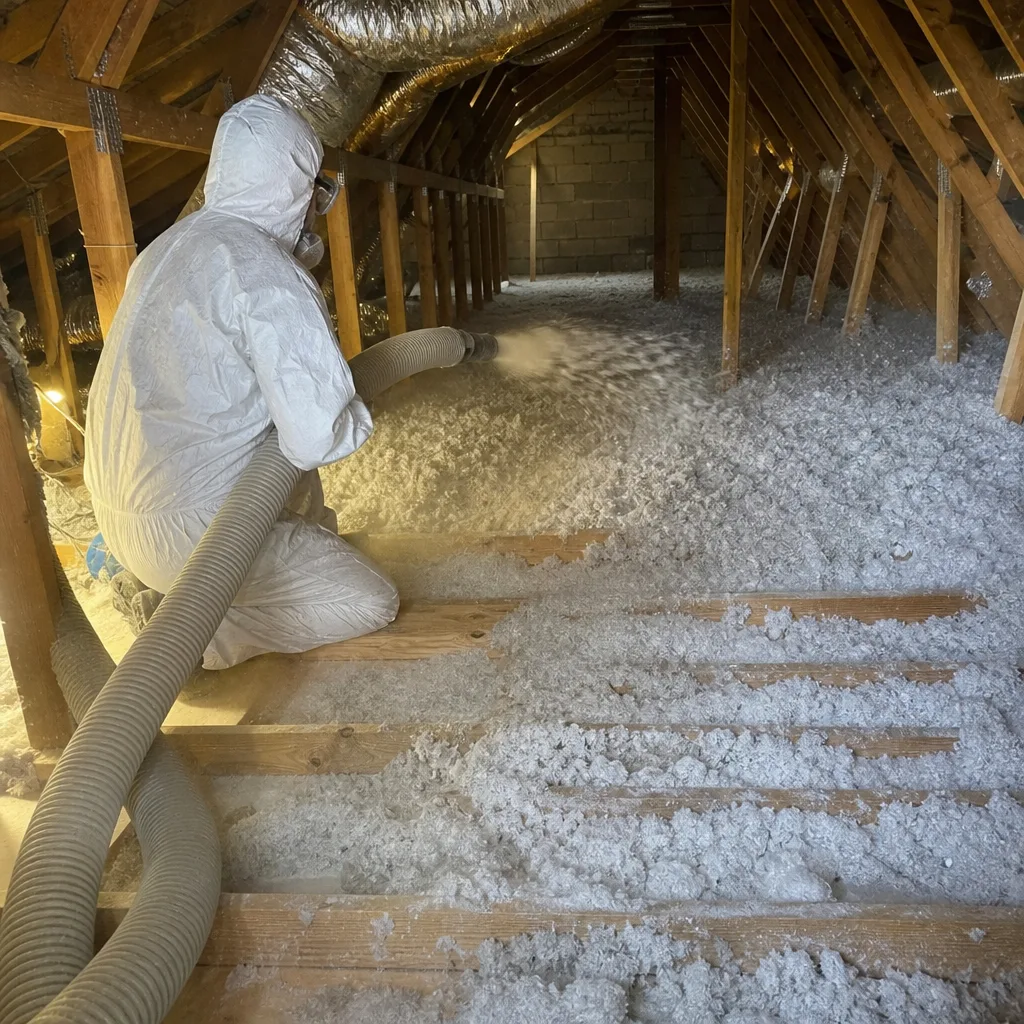
- Home size and floor plan complexity: Audit time scales with conditioned square footage. A 1,800-square-foot single-story in the Bergheim area takes roughly 2 hours for a complete blower-door and thermal scan. A 4,200-square-foot two-story with a bonus room and attached garage in a newer Boerne development like Esperanza takes closer to 4 hours, which is reflected in the price. Vaulted ceilings and multi-zone HVAC systems add complexity because the technician has to map each thermal boundary separately.
- Duct leakage testing (duct blaster): Adding a duct blaster test – a separate pressurization of the HVAC duct system that measures how much conditioned air is escaping into unconditioned spaces before it reaches your rooms – adds $100-$200 to most audits. In Boerne, where a significant portion of duct runs sit in unconditioned attic space and reach ambient temperatures that destroy R-value, this test frequently pays for itself by identifying duct losses of 20-30% that justify remediation before any attic insulation work is scheduled.
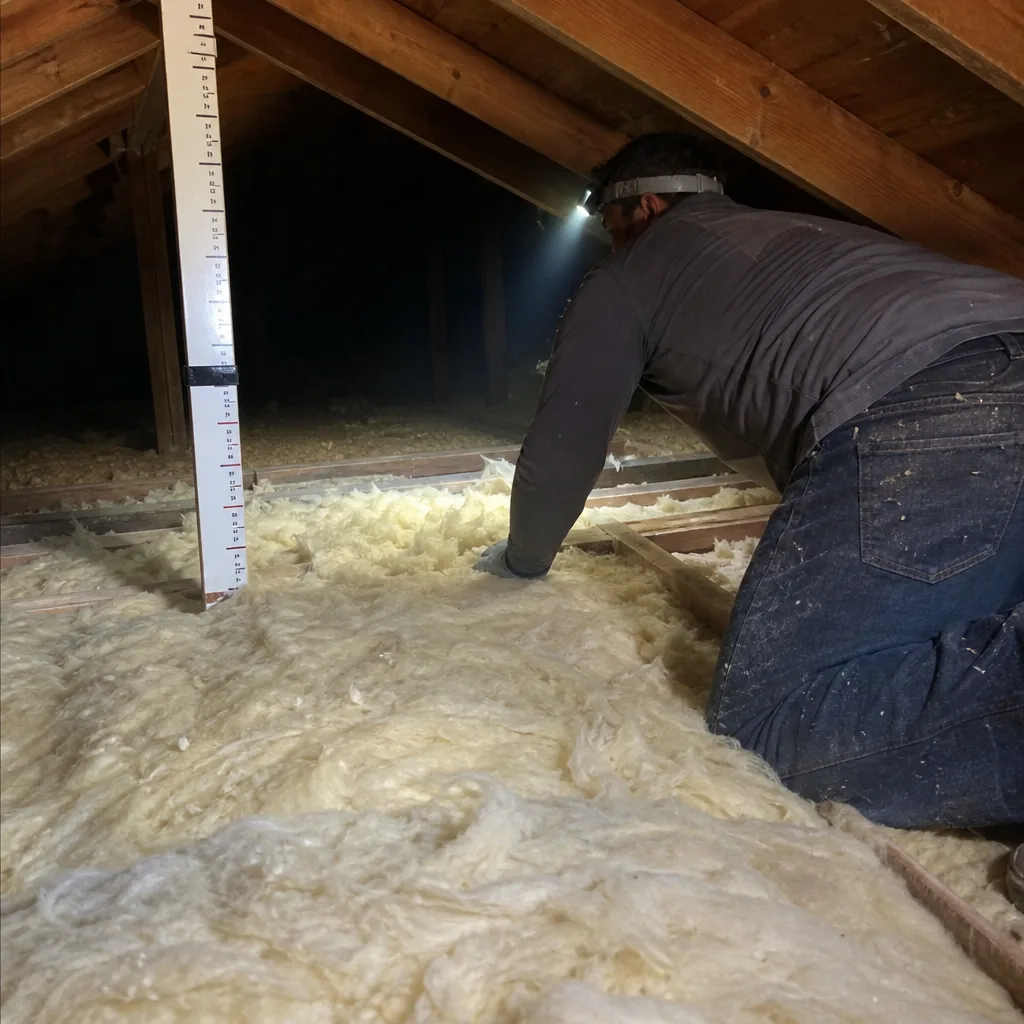
- Age and construction type of the home: Homes built between 1975 and 2000 in the Boerne area tend to have more penetration points – recessed lights without IC ratings, pull-down attic stairs with no thermal cover, top plates that were never sealed at rough-in. These homes take longer to audit and document, particularly when the attic still has original fiberglass batts laid flat over an unsealed floor. The thermal scan alone in a home like this can reveal 15-20 distinct air leakage paths.
- Crawl space or pier-and-beam foundation: Some older Boerne properties, particularly in the historic district and on larger Hill Country lots, sit on pier-and-beam foundations with unconditioned crawl spaces. Adding the crawl space to the audit scope means the technician needs to physically access and map it, which adds time and cost but also frequently reveals the single biggest moisture and air leakage problem in the entire envelope.
- Thermal imaging conditions: Thermal imaging is most accurate when there’s a temperature differential of at least 15-20°F between inside and outside. Boerne’s spring and fall shoulder seasons – April-May and October-November – are actually the hardest times to run a useful thermal scan because outdoor temps can mirror indoor temps during the day. Morning appointments in those months, when nighttime cooling has built up a differential, produce sharper data. Auditors who schedule appropriately may charge slightly more for the early-morning appointment slot.
- Whether air sealing is bundled: Some contractors offer the audit at a reduced rate or waive it entirely when you also book the remediation work. Envelope Insulation Co. treats the audit as a separate documented service with its own written scope, because the findings need to be on paper before anyone quotes the fix – that’s the foundation of the Haven Standard. You shouldn’t sign a contract for air sealing work based on a verbal summary of what someone saw in your attic. The audit document and the remediation quote are two distinct pieces of paper, both written, both yours before a single tool comes out of the truck.
What a Good Audit Actually Produces (What You Walk Away With)
This section matters more than most pricing guides acknowledge. The audit fee is straightforward; what varies dramatically between auditors is what the homeowner actually receives at the end of the appointment.
A blower-door test – a pressurization reading that uses a calibrated fan mounted temporarily in an exterior door frame to depressurize the home to a standard 50 pascals – produces one number: CFM50 (cubic feet per minute of air loss at 50 pascals). That number, divided by the home’s volume in cubic feet, gives you ACH50 (air changes per hour at 50 pascals), which is the figure most energy codes reference. A 2,500-square-foot Boerne home built in 1998 might read 3,800 CFM50 – roughly 8 ACH50. Post-air-sealing targets for Texas climate zone 2 under the 2021 IRC code are 5 ACH50 or better. That gap is specific, documented, and actionable in a way that “your home is leaky” is not.
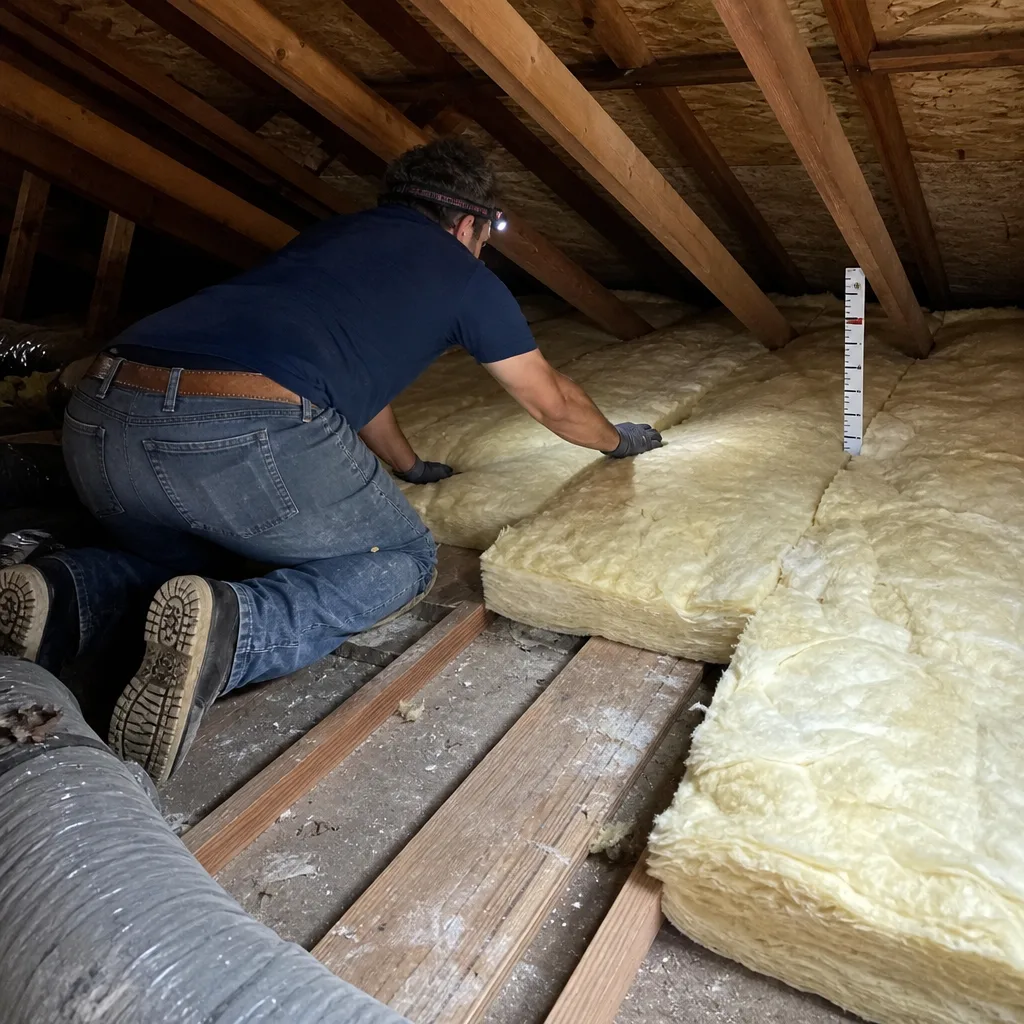
Under the Haven Standard, every Envelope Insulation Co. audit closes with a Documented Photo Record of every finding – thermal images, attic penetration photos, visible insulation depth measurements, and the blower-door printout with the pre-test reading stamped on it. On applicable jobs where air sealing follows the audit, we publish before-and-after blower-door numbers so you can see the actual CFM50 change, not just take our word for it. You get the pre-sealing number the day of the audit and the post-sealing number the day the crew finishes. That is the only honest way to verify that air sealing actually happened.
If you’ve already had an audit done elsewhere and received a written estimate from another contractor, our Home Energy Audit in Boerne page explains what a complete diagnostic looks like – and Envelope Insulation Co. offers a Free Second Opinion on any written estimate, at no cost, so you can compare findings side by side before committing to a remediation scope.
How to Save on a Home Energy Audit in Boerne
The most direct way to reduce what you spend on an audit is to make sure you’re buying the right scope for your home’s actual problem. A homeowner in a 2019 build in Boerne Hills who installed additional attic insulation last year doesn’t need a $650 full-diagnostic with crawl space mapping. A homeowner in a 1988 two-story on Kendalia Road with original fiberglass batts, vaulted ceilings, and an HVAC system that runs 10 months a year does. Matching the scope to the house keeps the audit cost where it belongs.
- CPS Energy and Bexar Metro rebates: Boerne sits in the CPS Energy service area for some addresses, and Bexar Metro Water provides service to parts of the surrounding area. CPS Energy’s Home Energy Improvement Program has historically offered rebates of $100-$200 toward qualifying energy audits and additional incentives toward air sealing and insulation work completed afterward. Program terms change annually – verify the current structure directly with CPS before scheduling – but the rebate can meaningfully offset a standard audit fee.
- Federal tax credits (25C): The Inflation Reduction Act’s Section 25C tax credit allows homeowners to claim up to 30% of the cost of a qualifying home energy audit, capped at $150 per year. An audit that costs $350 could result in a $105 credit on your federal return. The audit must be conducted by a certified auditor; confirm eligibility with your tax preparer before treating this as guaranteed savings.
- Bundle the audit with remediation: If the audit findings are going to lead to air sealing and insulation work – and in most Boerne homes built before 2010, they will – ask whether the audit fee is credited toward the remediation scope. Envelope Insulation Co. treats the audit as a standalone service with its own written deliverable, but the remediation quote is built from that audit’s findings, which means you’re not paying twice to scope the same job.
- Schedule in winter or summer: Thermal imaging is most useful when the temperature differential is greatest. December through February and July through August in Boerne produce the clearest thermal data because the 20-30°F differential between inside and outside makes air leakage paths visible even through drywall. Scheduling in peak differential months can reduce the time an auditor needs to run supplemental tests to confirm marginal findings, which keeps the appointment shorter and the cost lower.
- Get the written scope before you agree to remediation: This isn’t a way to reduce the audit cost, but it’s the most important thing you can do to avoid overspending on the work that follows. The Haven Standard Written Price Before Any Work Starts means you should never be in a position where you learn the remediation price after the crew has already started. If a contractor won’t give you a flat written price before scheduling the air sealing or insulation crew, that is a process gap that costs homeowners money – and it’s worth getting a second opinion before proceeding.
For a free, no-pressure estimate on what an audit and any follow-on work would cost for your specific home in Boerne, call (830) 529-7780. A live person answers – not a voicemail system – and you’ll have a written price in hand before any appointment is scheduled.
What Happens After the Audit: Air Sealing First, Then Insulation
Most Boerne homeowners schedule an energy audit because their electric bills are climbing or their HVAC system is cycling more than it should. The audit answers where the problem is. The remediation work – air sealing and then insulation, in that order – fixes it. But the sequence matters more than most contractors acknowledge.
Envelope Insulation Co.’s position on this is stated plainly: we will not blow insulation over an unsealed attic floor. Air sealing of top plates, recessed light penetrations, plumbing and electrical chases, and attic hatches is completed before any insulation is added. The reason is mechanical, not philosophical. Insulation slows the transfer of heat through a material (R-value). Air sealing stops the physical movement of conditioned air through gaps in the building envelope. Doing them in the wrong order – insulating first, then trying to seal – means the air sealing crew is working blind, underneath blown material they can’t move efficiently, sealing gaps they can’t fully see. The blower-door number after that kind of job is often only marginally better than before, even if the R-value on paper looks correct.
That sequencing principle is also why the before-and-after blower-door numbers we publish on applicable jobs are meaningful. If we sealed your attic first and then insulated it, the post-job CFM50 reading reflects the real performance of the combined work – not just the insulation depth. A 2,800 CFM50 to 1,400 CFM50 improvement (a real range for a mid-size Boerne home with significant top-plate leakage) represents roughly half the conditioned air loss eliminated. That’s a number on a document, signed and dated, not a claim on a website.
The home page describes the full building-envelope service line Envelope Insulation Co. provides, from spray foam and blown-in insulation to crawl space encapsulation and radiant barrier installation – all of it ordered by the same principle: seal the leaks before you add the R-value.
Boerne-Specific Considerations That Affect Audit Findings
Boerne’s climate and housing characteristics produce audit results that differ from what a national pricing guide will describe. Knowing what to expect before the auditor arrives helps you interpret the findings accurately.
Attic temperatures in summer: In July and August, Boerne attic temperatures routinely exceed 140°F – in poorly ventilated attics with dark roofing material, readings of 155-160°F are not unusual. At those temperatures, even properly installed fiberglass batts at R-30 lose a meaningful portion of their rated R-value due to thermal degradation. An audit in a Boerne home should specifically measure attic ventilation performance alongside insulation depth, because adding R-value to a superheated attic without addressing ventilation or installing a radiant barrier delivers less improvement than the R-value spec suggests on paper.
Limestone soil movement: The Edwards Plateau geology under Boerne causes more foundation movement than homeowners used to clay soils expect. Slab movement over 10-15 years opens gaps at the building’s perimeter, at utility penetrations through the slab, and at the intersection of interior walls and the attic floor. A blower-door test in an older Boerne home will often show leakage paths that a visual inspection alone would miss entirely, because the gaps are at the base of the wall assembly rather than at the more obvious ceiling penetrations.
Older HVAC duct runs in unconditioned attic space: A large portion of homes built in Boerne between 1985 and 2005 have duct systems running through unconditioned attic space, often with flex duct that has sagged, kinked, or partially disconnected at register boots over the years. A duct blaster test in these homes frequently reveals duct leakage of 25-35% – meaning more than a quarter of the air your HVAC produces never reaches the living space. Addressing duct leakage before upgrading attic insulation changes the remediation priority entirely, and an audit that includes duct testing surfaces this before you spend money in the wrong order.
New construction in growth areas: Boerne is one of the fastest-growing cities in Kendall County, and the newer subdivisions north of IH-10 – Fair Oaks Ranch border communities, Esperanza, The Preserve – are generally built to current IRC energy codes. Blower-door numbers in these homes tend to be in the 2,500-3,500 CFM50 range at time of construction, which is code-compliant but still meaningfully leaky by performance standards. Homeowners in post-2018 construction sometimes assume their home doesn’t need an audit; the thermal imaging component frequently reveals insulation voids in exterior wall cavities or improperly installed batts in the attic knee walls that were missed at final inspection.
Frequently Asked Questions: Home Energy Audit Cost in Boerne
How much does a home energy audit cost in Boerne, TX in 2026?
A standard home energy audit in Boerne costs between $300 and $500 for a blower-door test, thermal imaging scan, and written findings report. Adding a duct blaster test (which measures HVAC duct leakage separately from the building envelope) raises the typical range to $450-$650. Homes larger than 3,000 square feet or with crawl spaces included in the scope typically add $100-$200 to those figures. Call (830) 529-7780 for a written quote specific to your home’s size and construction type – estimates are free and you’ll have the number in writing before any appointment is scheduled.
Is a home energy audit worth the cost in Boerne?
For most Boerne homes built before 2010, yes – and the blower-door number makes the case more clearly than any general claim. A pre-audit CFM50 reading of 3,500 or higher on a 2,200-square-foot home means the house is exchanging conditioned air with the outdoors at a rate that adds $80-$150 per month to cooling costs during a Texas summer, depending on the CPS or Bandera Electric rate structure and the home’s insulation depth. The audit tells you what the number is, the air sealing and insulation work brings it down, and the post-job blower-door reading documents the result. The audit fee is $300-$500; the electricity cost reduction over a 5-year period on a home with significant leakage is frequently $4,000-$8,000. The math works in most cases – but an audit is the only way to know where your specific home sits on that scale.
Can I get a rebate for a home energy audit in Boerne?
Potentially yes. CPS Energy’s Home Energy Improvement Program has offered rebates of $100-$200 for qualifying energy audits, with additional incentives available for verified air sealing and insulation improvements following the audit. Program availability and amounts change annually, so confirm the current offer directly with CPS before scheduling. The federal Section 25C tax credit allows homeowners to claim 30% of a qualifying audit cost up to $150 per year – a $350 audit would produce a $105 credit. Consult a tax preparer to confirm your specific eligibility before counting on the federal credit.
How long does a home energy audit take in Boerne?
A standard audit on a home between 1,500 and 2,500 square feet typically takes 2 to 3 hours on-site, including setup, the blower-door pressurization test, the thermal imaging walk-through, and the technician’s documentation of findings. Larger homes or those with complex floor plans, detached structures, or crawl spaces being included in the scope run 3.5 to 5 hours. The written report with photos and the blower-door reading is typically delivered the same day or within 24 hours of the appointment.
What’s the difference between a cheap audit and a thorough one?
Price is a rough proxy. A $75-$150 “audit” is almost always a visual walkthrough without pressurization equipment – the auditor notes what they can see but has no way to measure what they can’t. A blower-door test is the minimum equipment threshold for a diagnostic that produces an actionable number. Below that threshold, the report describes conditions rather than measuring performance, which means the remediation recommendation is an opinion rather than a response to data. The documents you receive at the end tell you what kind of audit you got: a blower-door printout with a CFM50 number is objective; a checklist of observations is not. Under the Haven Standard, every Envelope Insulation Co. audit produces a Documented Photo Record, a blower-door reading, and a written findings summary – all delivered before any remediation quote is signed.
Key Takeaways
- Most Boerne home energy audits run $300-$500 for a blower-door test, thermal imaging, and written report. Full diagnostics with duct blaster testing reach $450-$650.
- Homes over 3,000 sq ft, those with crawl spaces, or older builds with significant penetration complexity add $100-$200 to the base price.
- CPS Energy rebates and the Section 25C federal tax credit can each offset part of the audit cost – verify current program terms before scheduling.
- The blower-door number (CFM50) is the only objective measure of how much conditioned air your home is losing. A written report without that number is not a diagnostic audit.
- In Boerne, limestone soil movement, extreme attic temperatures, and aging duct systems in unconditioned attic space are the three factors most likely to drive audit findings toward significant remediation.
- Air sealing must precede insulation. Installing insulation over an unsealed attic floor produces a CFM50 number that barely moves – a before-and-after blower-door reading documents whether the work actually performed.
- Under Haven Standard Clause 1: a flat written price exists before any work begins, and a Documented Photo Record is provided when every job closes.
- Wes Okafor and the Envelope Insulation Co. team have operated under The Haven Standard since 2016, across more than 9,000 homes with written prices and documented records on every one.
Schedule Your Home Energy Audit in Boerne
If you’re ready to know what your home’s blower-door number is – and what it would take to improve it – Wes Okafor and the Envelope Insulation Co. team are the right call. Every audit comes with a Documented Photo Record, a written CFM50 reading, and a prioritized findings summary. If the findings point toward air sealing and insulation work, you’ll have a flat written price in hand before anyone schedules a crew. That’s not a sales pitch; it’s how we’ve operated since 2016 and what the Haven Standard requires.
Call (830) 529-7780 to schedule a free estimate or ask a question about what an audit would cover for your specific home in Boerne. A live person answers – no voicemail, no callback window. If you’d prefer, you can also start by reading through what a complete diagnostic looks like on our Home Energy Audit in Boerne page before you call.
Free Second Opinion on any written estimate you’ve already received. Bring it in and we’ll read it with you, line by line.
Written by Wes Okafor, Owner at Envelope Insulation Co. (operating as Topside Attic Insulation Boerne), independently owned and operated under The Haven Standard since 2016, serving Boerne, TX and Kendall County.
Pricing reflects the Boerne market as of 2026. Topside Attic Insulation Boerne offers free estimates – call (830) 529-7780.
What Our Customers Say
"The winter gas bill dropped by about a third. They had estimated a quarter, so they under-promised."
- Genevieve R."They photographed rodent damage in the old insulation that we had no idea about, and priced the exclusion work separately so we could decide."
- Harriet N."Crawl space encapsulation done properly. Photographs of the vapour barrier at every seam, and the damp smell in the hallway is gone."
- Ainsley P.