
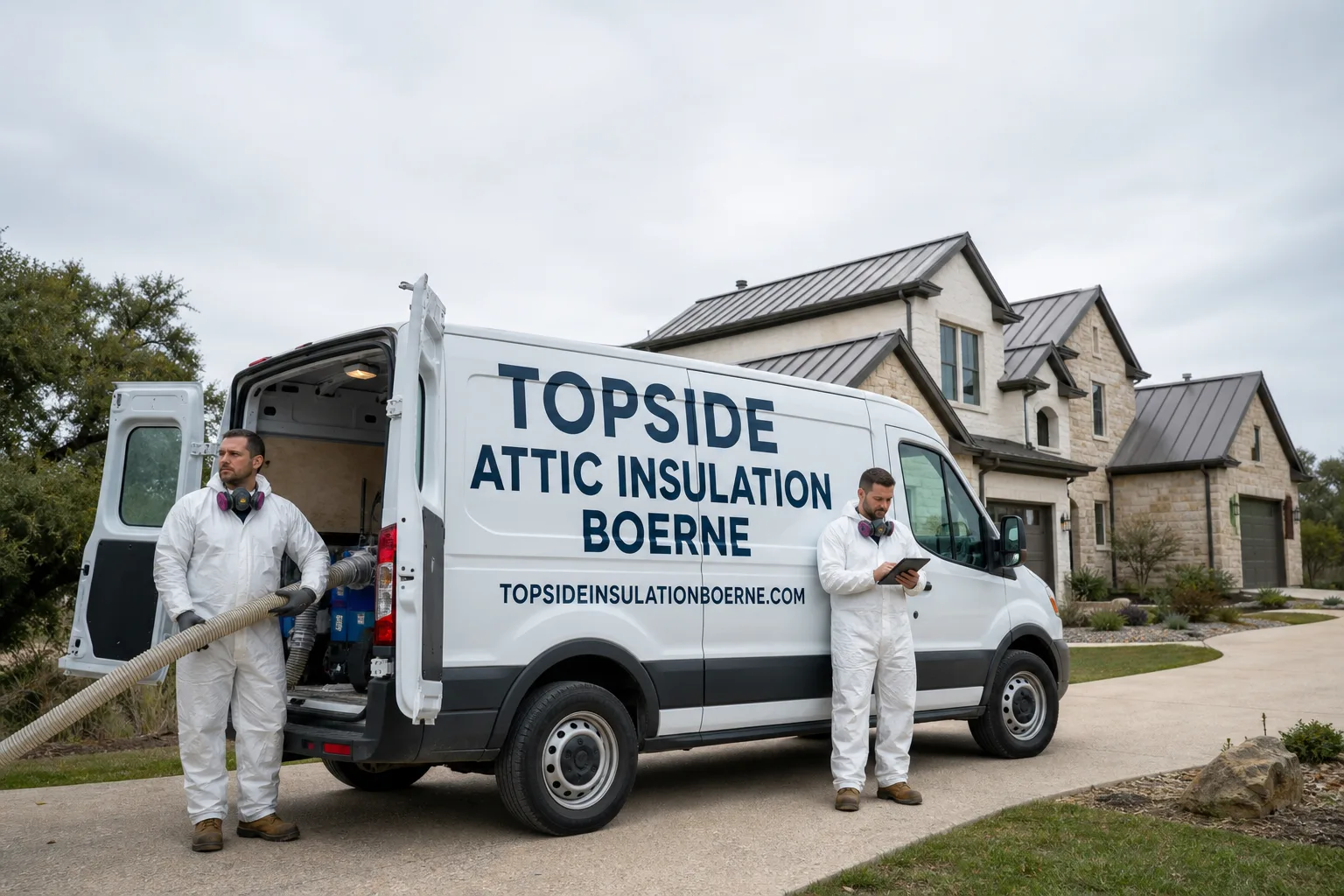
How Much Does Spray Foam Insulation Cost in Boerne?
Spray foam insulation in Boerne, TX typically costs between $1.50 and $4.50 per board foot installed, depending on the foam type, application area, and the air-sealing prep required before foam goes in. For a typical Boerne home with an attic between 1,200 and 1,800 square feet, most jobs land somewhere between $2,400 and $7,200 for the spray foam work alone. Open-cell foam runs cheaper; closed-cell foam costs more but delivers a higher R-value per inch and a genuine vapor retarder in one layer.
Spray Foam Insulation Cost Breakdown (2026)
The table below reflects what Boerne homeowners are actually paying in 2026, based on current material costs, labor rates in the Hill Country market, and the size ranges we see most often. Prices assume the attic floor or roof deck has been air-sealed before foam is applied – that step is not optional and should not be priced as one.
| Application / Scope | Foam Type | Typical Price Range (Installed) |
|---|---|---|
| Attic floor (1,200 sq ft home) | Open-cell | $1,800 – $2,800 |
| Attic floor (1,800 sq ft home) | Open-cell | $2,600 – $4,000 |
| Roof deck / conditioned attic (1,200 sq ft) | Closed-cell | $3,200 – $5,400 |
| Roof deck / conditioned attic (1,800 sq ft) | Closed-cell | $4,800 – $7,800 |
| Crawl space walls and rim joists | Closed-cell | $1,200 – $2,800 |
| Exterior walls (new construction, per 100 sq ft) | Open-cell or closed-cell | $180 – $420 |
| Garage ceiling (attached, ~500 sq ft) | Open-cell | $750 – $1,400 |
| Air sealing only (top plates, can lights, penetrations) | Two-component foam / caulk | $400 – $900 |
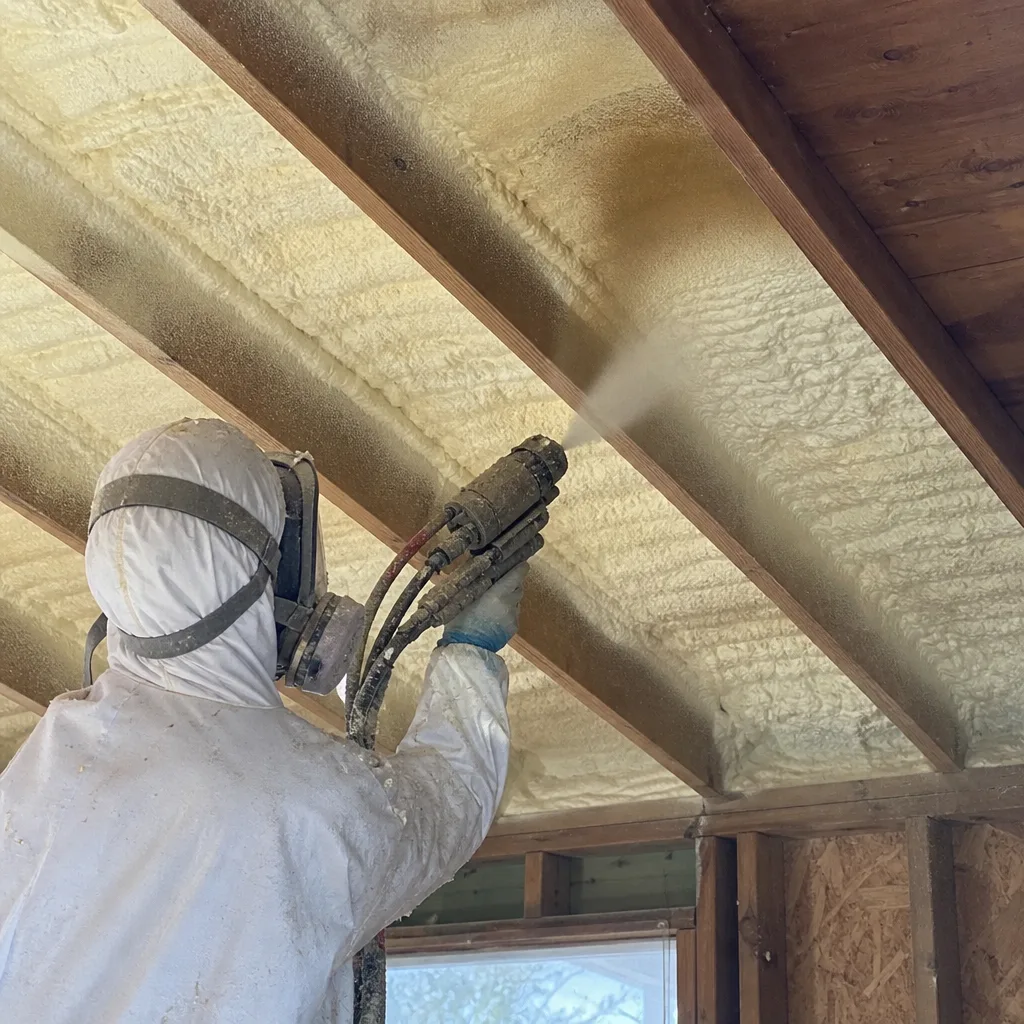
A few things move the final number. Closed-cell foam (two-pound density, roughly R-6.5 per inch) costs about 60 to 90 percent more per board foot than open-cell (half-pound density, roughly R-3.7 per inch), so choosing the right foam for the application matters more than picking the cheaper option. A conditioned attic – where the roof deck is sprayed and HVAC equipment moves inside the thermal envelope – is almost always closed-cell work, and it costs more. But it also eliminates the duct-leakage losses that are the single biggest energy drain in Boerne homes built before 2010.
Labor accounts for roughly 40 to 50 percent of a typical spray foam job in the Boerne market. That percentage goes up when access is difficult: low attic pitches, older homes in the Herff Ranch or Cascade Falls areas with non-standard framing, or attic floors still carrying old blown-in insulation that needs to come out before sealing can happen. Material costs for the foam chemicals themselves have stabilized compared to the volatility of 2022-2023, but Hill Country freight adds a small premium over what San Antonio contractors pay for the same product.
What Affects Spray Foam Insulation Pricing in Boerne
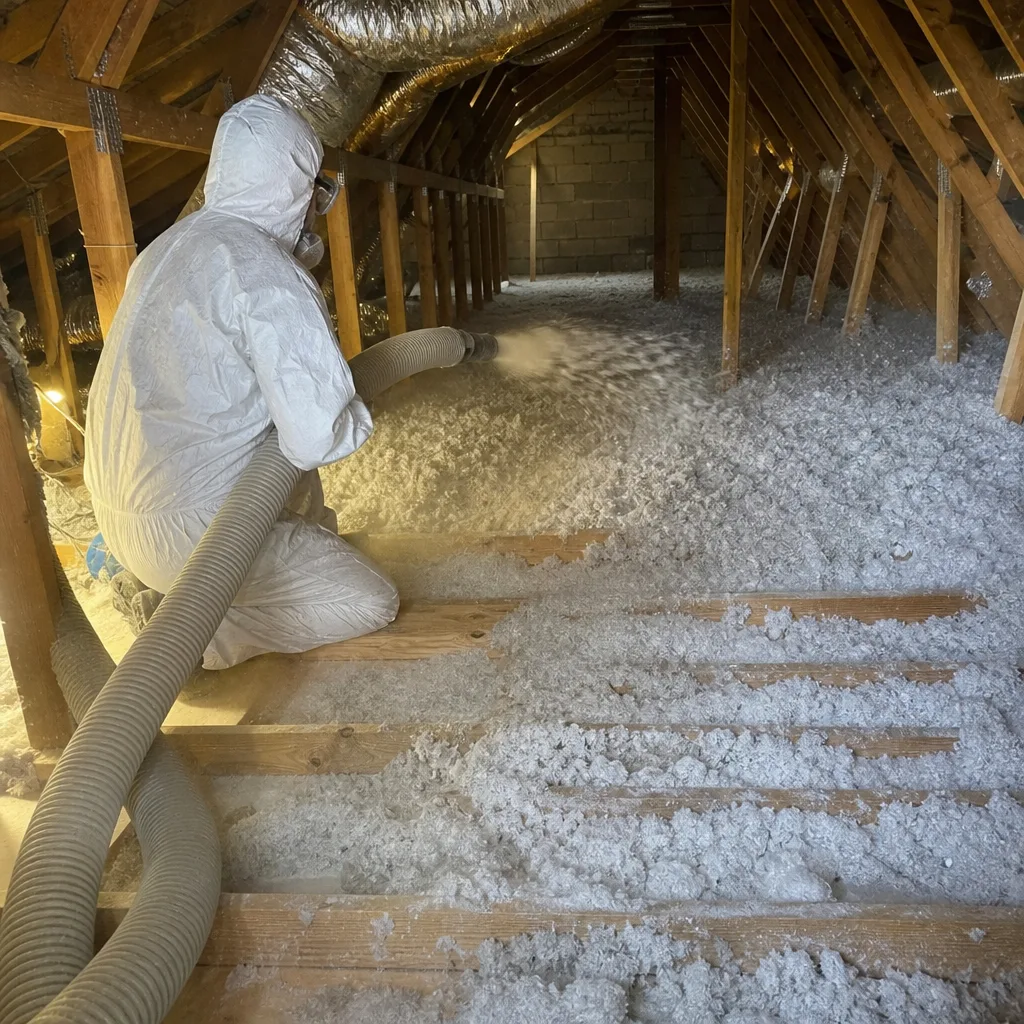
- Foam type and required R-value: Boerne sits in IECC Climate Zone 2B/3A, and Texas energy code for new construction requires R-38 in attics. Hitting R-38 with open-cell foam means spraying roughly ten inches; with closed-cell, you need about six. Thicker application means more material and more time, so the target R-value drives cost as directly as foam type does.
- Attic configuration – flat floor vs. roof deck: Spraying the attic floor is almost always cheaper than spraying the roof deck. Roof-deck applications require closed-cell foam to meet vapor retarder requirements in our climate, and the vertical and overhead work takes longer to execute than a flat floor pour. Homes in the newer Cibolo Creek Ranch and Esperanza subdivisions tend to have more complex rooflines that add time.
- Existing insulation removal: If the attic has old fiberglass batts, damaged blown-in cellulose, or rodent-contaminated material, that has to come out before air sealing and spray foam go in. Removal in Boerne runs $0.50 to $1.25 per square foot depending on depth and contamination level – and skipping it is not an option if the air sealing underneath needs to be done properly.
- Air sealing prep – the step that changes the blower-door number: This is the factor most contractors roll past, and it is the one that decides whether the foam job actually performs. Top plates, recessed can lights (very common in Boerne homes built between 1998 and 2015), plumbing and electrical penetrations, and attic hatch perimeters all need to be sealed before foam is sprayed over them. We see blower-door readings of 3,500 to 5,000 CFM50 on unsealed Boerne attics routinely; after proper sealing and insulation, that number typically drops to 1,200 to 2,200 CFM50 depending on the home’s original construction quality. That difference is real money on a Boerne CPS Energy bill every month.
- Home age and framing type: Older homes on the historic side of Boerne near Main Plaza sometimes have non-standard joist spacing, knee walls, or balloon framing that requires more hand-application of two-component foam rather than machine-sprayed bulk foam. That slows the crew and raises labor cost. Newer production homes in Ridgemont or Vistas of Boerne are typically faster to work in.
- Access and attic clearance: Texas summers push attic temperatures above 140 degrees Fahrenheit on the hottest days in July and August, which limits working hours and occasionally requires scheduling spray foam jobs in early morning windows. Restricted access hatches (less than 22 by 30 inches) may require temporary enlargement. Both factors affect the time a crew spends on-site, and time is the biggest variable in the labor portion of your invoice.
Open-Cell vs. Closed-Cell Spray Foam: Which One Does Boerne Homes Actually Need?
This question comes up at almost every estimate in Boerne, and the honest answer is: it depends on where the foam is going, not which one is more impressive-sounding.
Open-cell foam (half-pound density, R-3.5 to R-3.7 per inch) is vapor-permeable, which means moisture can move through it slowly. That matters in Boerne. During our humid summer months – roughly May through October – interior moisture looking for an escape path can accumulate inside open-cell foam if it is applied directly to the roof deck without a vapor retarder on the outside. In Climate Zone 3, the International Residential Code requires a Class II vapor retarder on the warm-in-winter side of insulation in certain roof assemblies. Open-cell foam does not qualify. Closed-cell does. So for roof-deck applications and conditioned attic conversions, closed-cell is the code-compliant choice in Boerne most of the time.
Closed-cell foam (two-pound density, R-6 to R-6.5 per inch) is rigid, acts as its own vapor retarder, and adds measurable racking strength to wall assemblies. It costs more – roughly $1.50 to $2.00 per board foot more than open-cell – but for crawl space walls, rim joists, and roof decks, it is the right material for the Hill Country’s humidity swing between dry winters and wet summers.
For attic floors above conditioned space, open-cell foam is often the more cost-effective choice when the R-value target can be met with available depth. A full written scope, delivered before any work starts, will specify which product is appropriate for each area of your home – not just which one is in the truck that day.
The Air-Sealing Step Most Boerne Contractors Skip
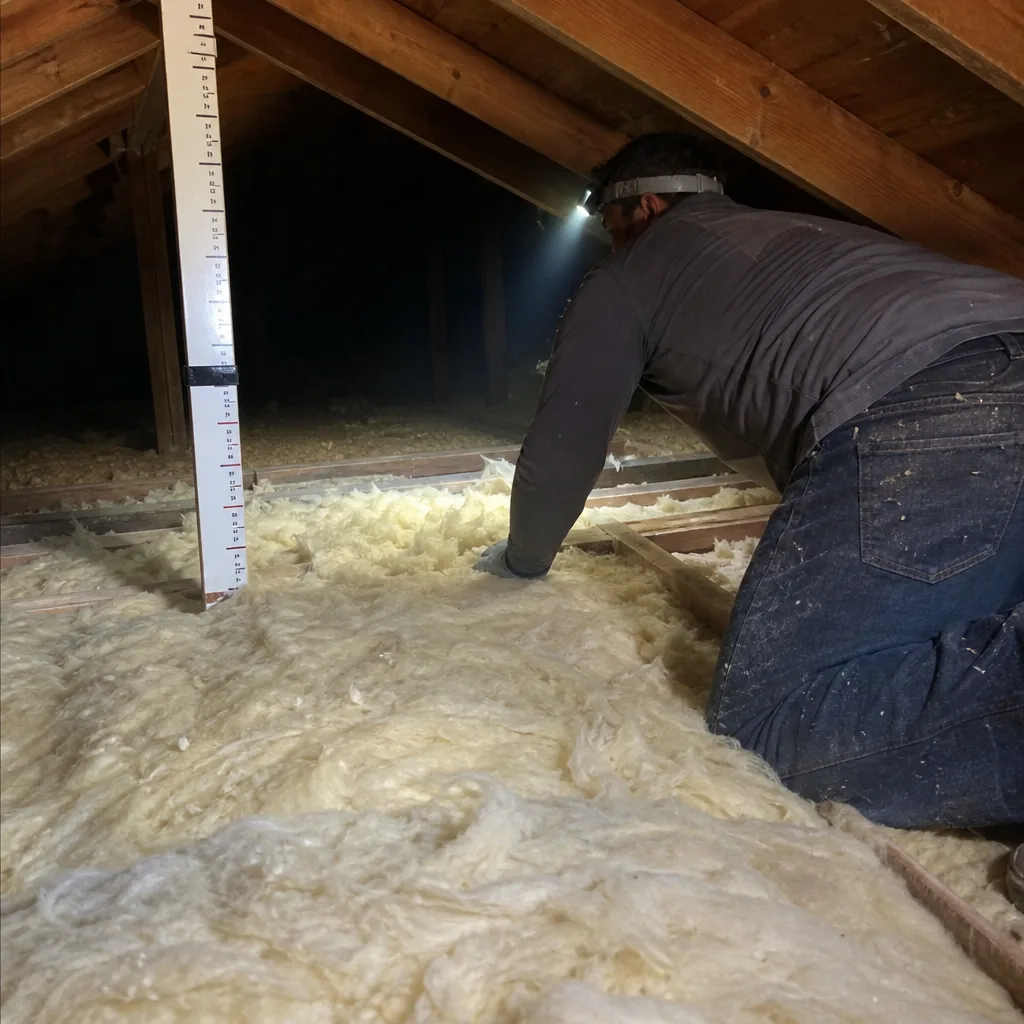
Spray foam is an excellent air barrier when it is the right product applied in the right place. But blowing foam over an attic floor that still has open top plates, can-light housing gaps, and plumbing chases running straight to conditioned space is the insulation equivalent of caulking around a window frame while the window is open.
In Boerne homes built between 2000 and 2018 – the era of aggressive cost-per-square-foot construction in developments like The Vineyard at Smithson Valley and Ranger Creek Estates – recessed can lights are nearly universal, and almost none of them were air-sealed at installation. Each one of those fixtures is a direct penetration from the conditioned living space into the unconditioned attic. A home with thirty can lights and unsealed top plates can lose the same amount of conditioned air as leaving a window open two inches, all summer, continuously.
At Envelope Insulation Co., the air sealing of top plates, penetrations, and fixture housings is completed before any insulation is added – always. We don’t offer air sealing as an upsell after the foam quote comes in. It is the prerequisite. And we document the result with a before-and-after blower-door test so you can see exactly what changed. That number – expressed in CFM50, or cubic feet per minute at 50 pascals of pressure – tells you more about whether your home’s envelope is working than any R-value label on a product bag.
If you want to understand what that process looks like end-to-end, the full picture is on our Spray Foam Insulation in Boerne service page.
How to Save on Spray Foam Insulation in Boerne
Spray foam is not cheap. Anyone who tells you otherwise is either quoting thin coverage (under 2 inches of closed-cell is not a complete vapor retarder) or skipping prep steps that will cost you more in re-work within five years. That said, there are real ways to get more value from a spray foam investment in the Boerne market.
Get a scope, not just a number. The biggest source of surprise costs on spray foam jobs is a quote that specifies coverage by area but not by depth. A closed-cell quote for “1,500 square feet of roof deck” at 2 inches meets vapor retarder minimums but may not reach the R-value required by Texas energy code for your permit application. Ask for the depth in the written scope, not just the square footage.
Combine attic work with air sealing in one mobilization. A spray foam crew driving to Boerne from San Antonio or Kerrville has a mobilization cost built into every job. If your attic floor also needs air sealing, scheduling both in one visit typically saves $200 to $500 compared to two separate trips. The same logic applies if you need old insulation removed – get the removal, sealing, and spray foam quoted together.
Check for utility rebates before you commit. CPS Energy – the primary electric utility serving most of Boerne – has offered rebate programs for qualifying insulation upgrades in previous years. The Guadalupe Valley Electric Cooperative (GVEC) serves parts of Kendall County and has similarly offered efficiency incentives. Rebate availability and amounts change year to year, so confirm directly with your utility before your project date, not after. A home energy audit can help identify which upgrades qualify.
Don’t over-specify foam where simpler products work. Closed-cell spray foam on an attic floor when open-cell or blown-in will reach the R-value target is spending money the application does not require. A written scope from a contractor who explains the reasoning behind product selection – not just the product they happen to have the best margin on – will almost always result in a better-matched solution.
Ask for a free second opinion on any written estimate. Under the Haven Standard, we read competing quotes with you at no cost and no obligation. If a previous estimate specified closed-cell for an attic floor application at an attic depth that could be served by open-cell, we will say so. If the other quote is the right call, we will say that too. Bring us the paperwork and we will walk through it with you – call (830) 529-7780 to set that up.
Schedule outside peak summer demand when possible. Boerne contractors are busiest from late April through August, when every homeowner who survived another scorching Hill Country summer wants their attic addressed before the next one. Jobs booked in September through February often have shorter lead times and occasionally better pricing as crews work through slower periods.
What the Documentation Looks Like When We Leave
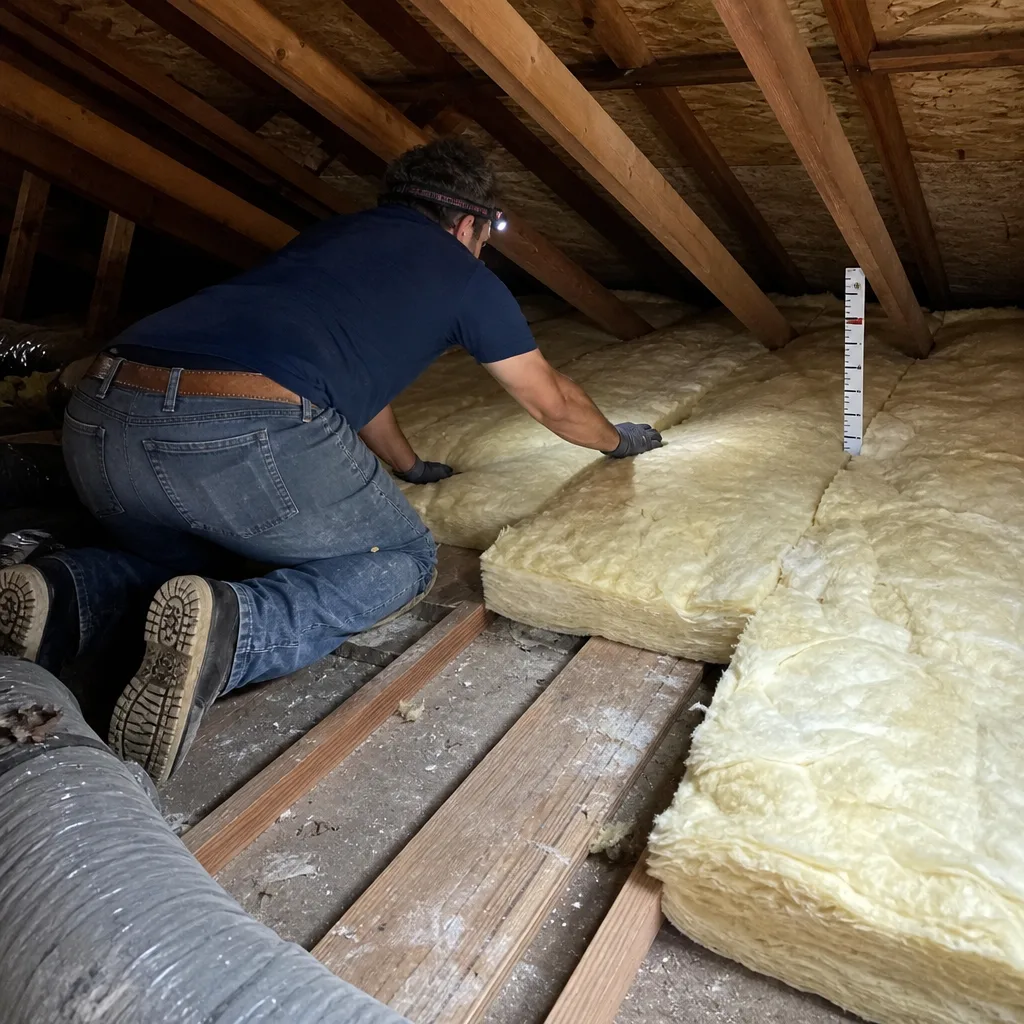
This is a question more homeowners should ask before a crew arrives, not after. At Envelope Insulation Co., every spray foam job in Boerne closes with three things in writing: a completed photo record of the work area before and after, the blower-door readings (pre-sealing and post-sealing, expressed in CFM50) on any job where air sealing was part of the scope, and a written warranty tied to the specific scope that was priced before work started.
The photo record is not available on request – it is included on every visit as standard. The blower-door numbers are not a premium add-on. They are the proof that the air sealing step actually changed something measurable, and they are the only honest way to answer the question: did the work perform?
The written warranty is tied to the 365-Day Done Right Promise: if the work is not done right, we make it right. That promise is specific to the written scope – not a general statement about quality. You will know exactly what it covers before anyone starts, because the scope is in writing before anyone starts.
Is Spray Foam Worth It for Boerne Homes?
For the right application, yes – and Boerne’s climate makes the case clearly. The Hill Country sees summer attic temperatures that regularly exceed 140 degrees, a long cooling season that runs from April through October, and enough humidity in late summer to make vapor control a real concern rather than a technical footnote. Closed-cell foam on a roof deck converts an unconditioned attic into conditioned space, moves the HVAC equipment inside the thermal envelope, and eliminates duct-leakage losses that are often 20 to 30 percent of a home’s total cooling load in older Boerne construction.
Open-cell foam on an attic floor, done after proper air sealing, is a more modest intervention – but still measurably effective. The homes in Boerne where we see the greatest performance delta between “before” and “after” blower-door numbers are 1990s to early 2000s construction: homes with original fiberglass batts laid directly on the attic floor, can lights penetrating directly into living space, and no air sealing at all on the top plates. A full air-seal-and-spray-foam job on a home like that typically drops the blower-door reading by 40 to 55 percent. That is not a claim about how good the work felt – it is what the numbers show.
Spray foam costs more upfront than blown-in cellulose or fiberglass batts. The payback period depends on your CPS Energy or GVEC usage pattern, your home’s current leakage rate, and what you pay for cooling. On a 1,600-square-foot Boerne home converting to a conditioned attic with closed-cell foam, annual cooling cost reductions of $400 to $900 are realistic – which puts payback somewhere in the 7 to 12 year range at current utility rates, before any rebates. That math looks different for every home, which is why we document the pre-work conditions and the post-work performance rather than publishing a single “average savings” figure that may or may not apply to yours.
For a broader look at the full scope of insulation services available to Boerne homeowners, the starting point is our home page.
FAQs – Spray Foam Insulation Cost in Boerne, TX
How much does spray foam insulation cost per square foot in Boerne?
Spray foam insulation in Boerne runs between $1.50 and $2.50 per board foot for open-cell foam and $3.00 to $4.50 per board foot for closed-cell foam, installed. A board foot is one square foot at one inch of thickness, so a roof-deck application at 3 inches of closed-cell coverage costs roughly $9.00 to $13.50 per square foot of ceiling area. Most attic projects in Boerne fall between $2,400 and $7,800 total depending on scope and foam type. Call (830) 529-7780 for a written price specific to your home’s square footage and configuration – estimates are free and the price is in writing before any work starts.
Is open-cell or closed-cell spray foam better for Boerne’s climate?
Closed-cell foam is the right choice for roof-deck applications and conditioned-attic conversions in Boerne because it meets the vapor retarder requirements of Climate Zone 3 without an additional layer. Open-cell foam is suitable for attic floor applications where vapor control is managed by the assembly below, and it reaches required R-values at lower cost per job. For crawl space walls and rim joists, closed-cell is almost always the better material given Boerne’s ground moisture and humidity variability. A written scope should specify which product is being used in each location and why – if it doesn’t, ask before you sign.
Does spray foam insulation in Boerne require a permit?
In most cases, spray foam applied to an attic floor or as a retrofit improvement does not require a standalone permit in Boerne. However, converting an unconditioned attic to a conditioned attic by spraying the roof deck – which changes the building’s thermal boundary – typically does require a permit through the City of Boerne’s Building Inspections division, and the work must comply with the current adopted energy code. New construction spray foam applications always fall under the building permit for that project. Permit requirements can change, so confirm with the City of Boerne before starting any work that alters the thermal envelope. We pull permits where required and note this in the written scope.
How long does spray foam insulation last in Boerne homes?
Properly installed spray foam – both open-cell and closed-cell – has an expected service life of 80 years or more under normal conditions. The failure modes we see in Boerne are almost never the foam itself deteriorating; they are adhesion failures at penetrations where the foam was applied over contaminated or wet surfaces, or degradation in areas with persistent moisture intrusion that was not addressed before the foam went in. This is why documenting existing conditions with photos before spraying matters: if a problem shows up later, there is a record of what the substrate looked like at installation. The 365-Day Done Right Promise covers workmanship, not material degradation from pre-existing conditions that were documented and disclosed in the written scope.
Can spray foam be installed in an existing Boerne home, or only during new construction?
Spray foam is installed in existing homes routinely – the majority of our Boerne jobs are retrofits, not new construction. Attic floors, roof decks, and crawl spaces are all accessible without opening walls. For exterior wall insulation in existing construction, spray foam requires either interior drywall removal or drilling holes for injection foam, which is a different product category. Most Boerne homeowners get the largest performance return from attic and crawl space work, where access is straightforward and the air-sealing opportunity is greatest. A free estimate will identify which areas of your home offer the most measurable return on a spray foam investment.
How much can I save on energy bills after spray foam insulation in Boerne?
On a typical 1,400 to 1,800 square foot Boerne home converting from no attic insulation (or damaged batts with no air sealing) to a properly air-sealed and spray-foamed attic, annual cooling savings of $400 to $900 are in a realistic range at current CPS Energy and GVEC rates. Homes with existing blown-in insulation that is still performing but lacking air sealing see smaller gains – typically $200 to $500 per year – from adding air sealing alone. The only honest way to give a more precise figure is to measure your home’s current blower-door reading, compare it to the post-work reading, and model that against your actual utility usage history. That is exactly what the before-and-after blower-door documentation is for.
Our Spray Foam Insulation services represent one of the larger single investments a Boerne homeowner makes in their building envelope, and the performance range between a well-executed job and a poorly sequenced one is wide enough to matter on every utility bill for the next two decades. The price ranges on this page reflect the Boerne market as of 2026. Every job at Envelope Insulation Co. begins with a written price before any work starts – no exceptions, no estimates revised upward after the crew arrives. Wes Okafor leads the team that has sealed and insulated more than 9,000 homes under The Haven Standard since 2016, and every one of those jobs closed with a documented record the homeowner can keep.
If your Boerne home needs a spray foam estimate, call (830) 529-7780. The estimate is free, the price will be in writing, and the blower-door numbers before and after will tell you whether the work did what it was supposed to do.
Written by Wes Okafor, Owner at Envelope Insulation Co. (operating as Topside Attic Insulation Boerne), serving Boerne, TX since 2016. Pricing reflects the Boerne market as of 2026. Topside Attic Insulation Boerne offers free estimates – call (830) 529-7780.
What Our Customers Say
"They photographed rodent damage in the old insulation that we had no idea about, and priced the exclusion work separately so we could decide."
- Harriet N."Crawl space encapsulation done properly. Photographs of the vapour barrier at every seam, and the damp smell in the hallway is gone."
- Ainsley P."They air-sealed the attic floor before insulating and showed me the blower-door number before and after. The upstairs is finally the same temperature as downstairs."
- Marisol D.